
Discover the Beauty of Pugu Hills Forest Reserve on a Day Trip
 By Axel Donovan
| Update on: May 05, 2026
By Axel Donovan
| Update on: May 05, 2026
Those who take the Pugu Hills Forest Reserve day trip embark on a journey into nature, as this little-known secret lies just a short drive from Dar es Salaam. This destination has lush greenery, ancient caves, rare birds and butterflies thereby making it an ideal place to get away from the hustle and bustle of the city. History, culture and biodiversity come together in the reserve making it an unforgettable experience for both adventure seekers and nature lovers
Whether you want to walk the picturesque paths, or enjoy spectacular scenery of the hills surrounding the location, or discover the cultural heritage specific to the region that is so special, the Pugu Hills can be a great place to combine adventure and relaxation. Here in this guide you will find out the points of interest of a day trip with this wonderful forest reserve not forgetting the useful tips of traveling that will make you help you make the most of your visit.
- Where is Pugu Hills forest reserve located in Tanzania?
- Best time to visit Pugu Hills forest reserve
- Plan your trip to Pugu Hills: A breakdown of entrance fees and times
- How to get to Pugu Hills forest reserve
- What to do in Pugu Hills forest reserve
- Pugu Hills forest reserve: Insider tips for an unforgettable visit
- Where to stay near Pugu Hills forest reserve
- Conclusion
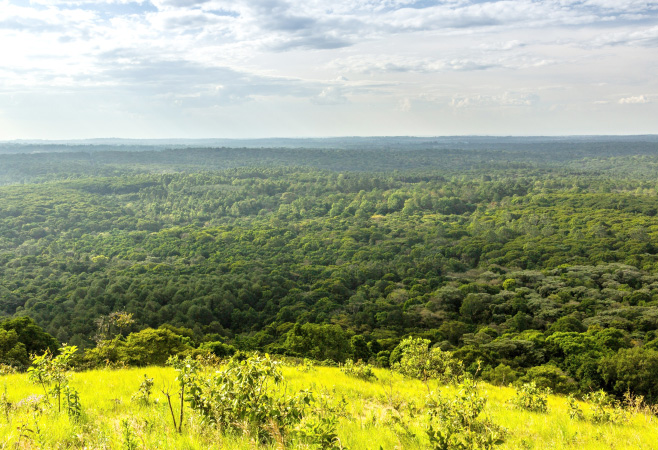
This picturesque reserve is a haven for hiking enthusiasts, nature lovers, and anyone seeking a peaceful retreat from urban life
Where is Pugu Hills forest reserve located in Tanzania?
Pugu Hills forest reserve is located about 20 kilometers west of Dar es Salaam, roughly a 45–60 minute drive depending on traffic and road conditions.
Pugu Hills is part of the larger Pugu–Kazimzumbwi Nature forest reserve, one of the oldest coastal forests in the world, protected under the Tanzania Forest Service.
While the reserve is within reach of Julius Nyerere International Airport, travel usually takes 45 minutes to over an hour depending on traffic and road conditions. With the reserve being encircled by hills, villages, and farmlands, it is a green oasis near the city and a traveler can visit the natural beauty and cultural heritage of Tanzania within a few minutes of driving.
Best time to visit Pugu Hills forest reserve
Pugu Hills forest reserve can be best visited during the dry seasons, which occur between June and October and also between January and February.
These months are the best time for hiking, birdwatching, and exploring the landscapes. The trails will be dry and secure, and the visitors will be able to see the panoramic views of the hilltops without difficulties with muddy trails. Clear skies make photography more rewarding, as the sunsets are colourful, and the horizon stretches over the countryside around them.
Although the reserve is open all year round, the rainy seasons (March to May and November to December) bring heavy rains that make the trails hazardous and limit outdoor activities. However, for those who enjoy lush greenery and adventure, this is when the forest is at its most vibrant, with each waterfall Tanzania scene flowing powerfully and wildlife becoming more active.
To have a complete experience, a good number of travelers go during the early dry season (June to August) when the weather is cool and the flora and fauna are still lush/green after the rains. You can either have a pleasant hiking experience or an extreme adventure trip, but planning your trip is the best way to have the most unforgettable day trip at the Pugu Hills forest reserve
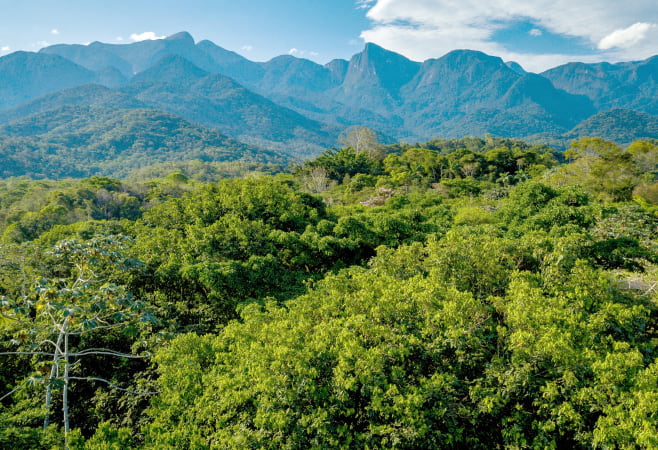
June to October for cooler weather and better hiking conditions; year-round for birdwatching
Plan your trip to Pugu Hills: A breakdown of entrance fees and times
Visitors to Pugu Hills forest reserve are required to pay a small entrance fee that contributes to the protection of the forest and the maintenance of its facilities.
|
Visitor category |
Entrance fee (Approx.) |
Notes |
| Foreign tourists | Around TZS 5,000–10,000 per person (approximately USD 2–4), depending on management updates from the Tanzania Forest Service Authority. | Valid for a day visit, subject to updates from the Tanzania Forest Service Authority |
| East African residents/citizens | TZS 5,000 – 10,000 per person | Lower rate for locals and residents |
| Children & Students | Reduced rate / sometimes free | Often applies for school or educational groups |
| Guided Tours (Optional) | Extra cost (varies by guide) | Not included in entrance fee |
These charges tend to include hiking trails, sightseeing spots, and picnic sites. Depending on the provider, guided tours can be offered at a higher cost.
Note: You should have cash in Tanzanian Shillings because not all entrance payments are made with cards. There could be minor changes in fees based on season or management updates so it is important to check with a tour operator before visiting.
Opening hours: The reserve is generally open during daytime hours, with most visits starting in the morning. It's advisable to arrive early (around 8:00 AM) for the best experience and to avoid the midday heat.
It is also strongly recommended to come early in the morning to get the best experience. Hiking is also more comfortable when the temperatures are cooler, wildlife is more active and easier to see, and the panoramic views that the hills provide are the most spectacular before the midday heat sets in, when hiking is more comfortable, wildlife is active, and the hills offer spectacular views with fewer crowds.
For an unforgettable adventure beyond the springs, experiencing a hot air balloon Serengeti safari offers breathtaking aerial views of Tanzania’s wildlife and landscapes.
How to get to Pugu Hills forest reserve
Access to Pugu Hills forest reserve is quite easy, particularly for travelers already in Dar es Salaam, the largest city of Tanzania. It is also one of the simplest, yet, natural daytime getaways since the reserve is only 20–25 kilometers southwest of the city. The trip will take between 45 minutes and 1.5 hours depending on the mode of transport.
By car or taxi
Pugu Hills is best reached by private car or taxi. Nyerere Road, the major highway, heads to the Julius Nyerere International Airport, which is located about 12 kilometers from the city center. Once you have gone through the airport area, continue towards Kisarawe District, where signposts guide you to the reserve
The road is partially tarmac and partially rough and thus 4x4 vehicles are advisable particularly during the rainy season where some parts might be muddy and difficult. One can also take a city taxi, but it is better to discuss the price in advance.

If you are traveling by car, start from Dar es Salaam city center
To add more variety to your trip, exploring the famous lakes in Tanzania offers peaceful scenery, rich biodiversity, and unique natural experiences beyond the hot springs.
By public transport
For budget travelers, dala-dalas (local minibuses) transport people between Dar es Salaam and Kisarawe town, the nearest town to the reserve. On leaving Kisarawe, one can either pay a motorcycle taxi (locally referred to as bodaboda) or have a local guide take you into the reserve. It is more daring and introduces you to the local life, but it may be time-consuming and not as comfortable as the private transport.
Guided tours
The other viable alternative is to book a guided day tour with one of the local tour operators. A number of operators in Dar es Salaam have packages including transport, entry charges, and a guided walk in the forest. It is also a stress-free option as the guide does all the arrangements, and he also gives information about the biodiversity and history of the area. Although the guided tours are a bit more expensive, they are a trouble-free and informative experience.
Travel tips
- It is best to leave early in the morning to escape the traffic in Dar es Salaam, and to enjoy the cooler time of the day.
- When driving alone, carry a GPS or offline map since signs are limited after you get out of the main road.
- Always carry water and snacks as there are a few shops and facilities around the reserve.
In short, it is relatively easy to get to Pugu Hills forest reserve, whether by private car in a personal vehicle, the thrill of a communal trip, or simply a guided tour. It is also a great nature escape that can be done even with little time considering that it is close to Dar es Salaam.
After exploring the forest, visiting Kikuletwa hot springs offers a refreshing way to relax in crystal-clear waters surrounded by natural beauty.
What to do in Pugu Hills forest reserve
Pugu Hills forest reserve is not only an eco-tourist getaway near Dar es Salaam city but also a biodiversity, cultural and adventure hub. There are numerous activities for travelers who want to relax while exploring nature. Here are some of the best things to do in Pugu Hills
Hiking and nature walks
Pugu Hills forest reserve offers scenic hiking trails that pass through the thick forest, hills and open grasslands. The hikes are of different difficulty levels, with some are easy for beginners, while others are more challenging and lead to higher viewpoints, to more demanding ones that bring you to higher elevations where you have a view of the surroundings. There will be a high diversity of flora and fauna along the way and so it will be a rewarding activity for nature lovers.
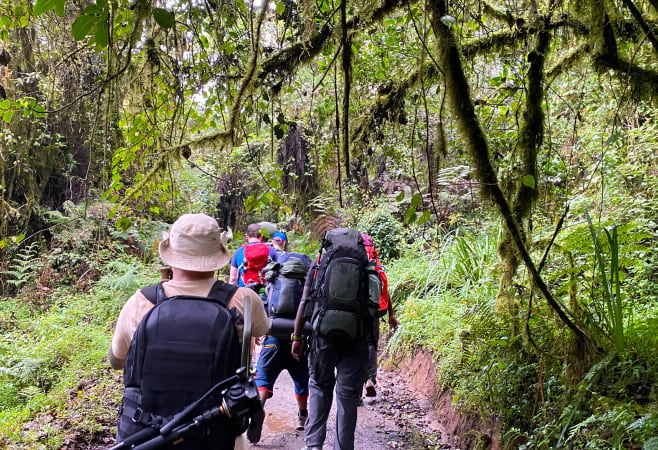
Hiking in the Pugu Hills forest reserve is a popular activity that offers stunning views of nature, ideal for photography and outdoor enjoyment
Birdwatching
Pugu Hills is a haven for bird lovers home to hundreds of bird species, including some rare and endemic ones. The best time to watch birds is in the morning and late afternoons when the forest is filled with the activities and calls of colorful birds. It is strongly advised that you bring a pair of binoculars to make the most of the experience
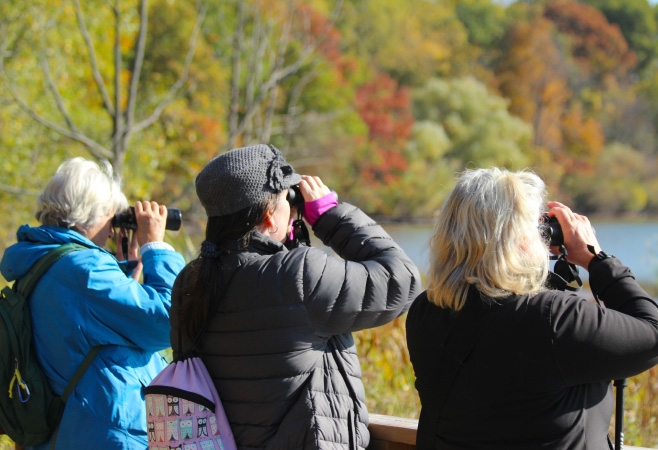
The evergreen forest is home to over 80 species of birds, making it a paradise for birdwatchers
Visiting the caves
Among the most interesting sites within the territory are ancient caves located in the forest. Besides being natural wonders, these caves have cultural and historical values since they were previously used for traditional rituals. Exploring them adds an element of mystery and adventure
Wildlife Spotting
Although less known than Tanzania’s national parks, Pugu Hills is home to various wildlife. Tourists can observe colobus monkeys, duikers and a number of reptiles. The reserve is also abundant in butterflies, birds, and insects which thrive in the forest’s unique ecosystem
Enjoying scenic views
Hiking to the higher points of Pugu Hills is an experience that rewards you with breathtaking scenery of the surrounding countryside and some distant views of Dar es Salaam. The hilltop sunsets are especially spectacular, and one can get a great photo.
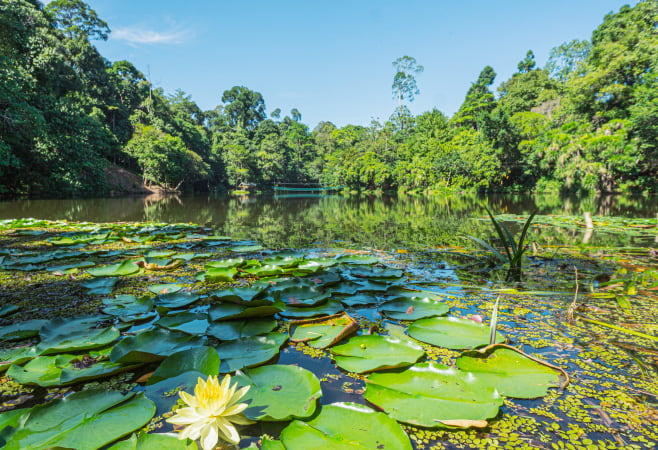
Climb short trails or overlooks for stunning views of Dar es Salaam City, the harbour, and the hills.
Cultural encounters
The communities surrounding Pugu Hills have a rich cultural heritage. You can enrich your visit by talking to villagers and learning more about their traditions and even attending small local markets. The interaction also helps in community-based tourism as the locals benefit from conservation.
Picnicking and relaxation
For those who prefer a more leisurely experience, the reserve offers beautiful places where one can rest, enjoy a picnic, and immerse yourself in the peaceful atmosphere in the peaceful forest atmosphere. It is usually advisable to carry your own food and drinks because there are limited facilities inside the reserve.
Camping in Pugu Hills forest reserve
Pugu Hills forest reserve camping provides travelers with a special experience of being immersed in the natural beauty of Tanzania right outside the city of Dar es Salaam. As one of the best places to go in Tanzania for a peaceful nature escape, the reserve offers a more intimate experience compared to busy national parks, making it ideal for those who want to connect with nature while relaxing.
Small camping sites have also been introduced in the reserve in recent years in certain places. These are very simple yet cozy sites where visitors can pitch tents in the shade of the forest cover or in open clearings with great scenery. Facilities are minimal and therefore it would be prudent to bring your camping equipment, food and water. There are usually local guides who will assist in pitching the tent and ensuring safety during overnight stays.
Night walks
Night walks are not officially organized in the reserve, but in rare cases, local guides may arrange short evening walks near the village areas to observe bats and nocturnal sounds. Always confirm in advance and follow local safety advice. It is recommended to check availability in advance. Guided by local guides, visitors can explore selected trails after sunset when the forest is alive with the nocturnal sounds and movements.
When you walk these guided tours, you might be lucky to see bushbabies, owls, bats and other insects and animals active only at night. The air is cool and mysterious and gives the true feeling of wilderness which is opposite to the hikes in daytime. To most tourists, hearing the night birds sing or seeing glowing eyes in the trees is a dream come true during their visit.
In order to enjoy the best of this activity, one should wear a good pair of shoes, have a flashlight or headlamp, and pay attention to the instructions given by the guide. The night walks are also a way to enhance your adventure besides being part of the eco-tourism programs, because they are also controlled with the help of the local communities, who not only provide security but also conserve the environment.
Pugu Hills forest reserve: Insider tips for an unforgettable visit
Visiting Pugu Hills forest reserve is a rewarding day trip—these practical tips help ensure a safe, enjoyable, and well-prepared experience.
- Start early: Cooler weather, active wildlife, more time to explore
- Dress properly: Light clothes, sturdy shoes, sun protection, rain jacket (if needed)
- Bring essentials: Water, snacks, insect repellent, small backpack
- Carry cash: Entrance fees in TZS; cards rarely accepted
- Hire a guide: Better navigation, wildlife spotting, cultural insights
- Respect nature: Stay on trails, respect local communities
- Stay safe: Limited signal; avoid hiking alone, inform others of plans

Pugu Hills forest reserve travel tips that all travellers must know
For those seeking more adventure, exploring the highest mountain in Tanzania offers breathtaking views and unforgettable trekking experiences beyond the forest reserve.
Where to stay near Pugu Hills forest reserve
Although Pugu Hills forest reserve is mainly a day-trip destination, travelers can find several accommodation options nearby and within Dar es Salaam that suit different budgets and preferences.
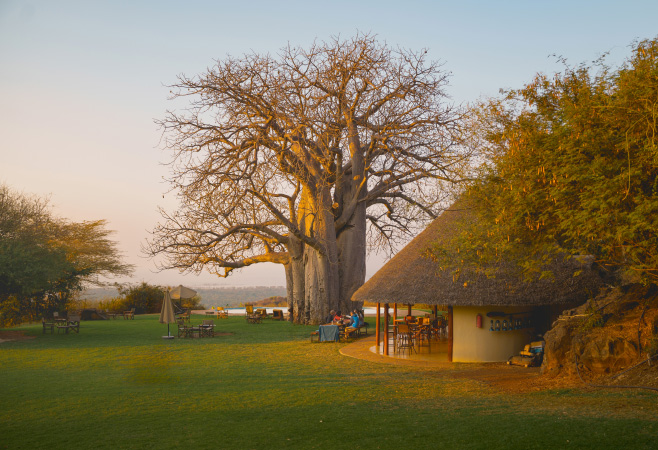
Find out the best places to stay near Pugu Hills
Hotels and lodges in Kisarawe
The nearest town to the reserve is Kisarawe which has a couple of small guesthouses and lodges that serve the visitors. They are budget-friendly with basic rooms and local meals,and it is convenient to have early access to the reserve. It is the best place to stay in case you are interested in being more local, but the facilities might be fewer than in urban hotels.
Hotels near Julius Nyerere International Airport
Hotels around the Dar es Salaam airport are the best choice for those who want to be close enough to the reserve and also not too far off. The mid and high end hotels like the airport lodges, the boutique inns and the business hotels offer modern rooms, reliable services and quick access to both the city and the reserve and to the Pugu Hills. This is another option when visiting Dar es Salaam in conjunction with a flight or vice versa.
Affordable accommodation in Dar es Salaam
Many visitors choose to base themselves in Dar es Salaam, about an hour’s drive from Pugu Hills. The city provides a very broad selection of options—from budget hostels and guesthouses to luxurious resorts along the beaches in Tanzania. By staying in Dar es Salaam, you can enjoy city conveniences, diverse dining, and nightlife, while still being close enough for a day trip to the forest reserve.
Conclusion
When you get tired of the bustling streets of Dar es Salaam and want to reconnect with nature, a day trip to the Pugu Hills forest reserve is the right choice to make. Hiking picturesque trails, visiting mysterious caves, spotting colorful birds, and enjoying spectacular views, the reserve is a perfect combination of adventure, culture and serenity. It is a convenient natural escape from the city, easy and satisfying both to local residents and visitors.
When you are planning your trip to Tanzania, apply to get your visa in advance to prevent encountering delays at the border by applying for your Tanzania visa online. Travel insurance is also highly recommended before traveling. Insurance not only covers unforeseen medical costs but also indemnifies you against cancellation of trips and lost luggage, which give you peace of mind during your adventure. With proper preparation, your visit will be safe, smooth, and unforgettable to Pugu Hills with the proper preparation.
Related Articles
- Zimbabwe to Tanzania Distance: Flight, Road & Travel Guide
- India to Tanzania Distance: Flight Time and Travel Guide
- Kenya to Tanzania Distance: Flight, Road Time & Travel Guide
- Affordable Tanzania Safari and Zanzibar Packages from UK
- Explore Holiday Packages from South Africa to Zanzibar
- South Africa to Tanzania Distance: Travel Routes and Essential Travel Guide
- Affordable Zanzibar Packages from South Africa
- Travel to Tanzania from Canada: Entry Requirements, Costs & Tips
- Sauti za Busara Zanzibar: Festival Guide & Tips
- Weather in Dar es Salaam: Climate Guide & Best Time

 NEED HELP 24/7
 United States
  United Kingdom
  Singapore
  Viber
Viber 


