
Tanzania Entry and Exit Requirements: A Practical Checklist for Smooth Travel
 By Axel Donovan
| Update on: Apr 02, 2026
By Axel Donovan
| Update on: Apr 02, 2026
Knowing the Tanzania entry and exit requirements is vital to any traveler intending to come and leave the country without any hitches. Tanzanian immigration policies cover visa rules, passport requirements, health conditions, and strict exit regulations which should be strictly adhered to to avert any delays, fines, or even inconveniences caused by travel.
Travelers may visit Tanzania for tourism, business, or transit purposes. The most important thing to have is proper documentation to have a good time. The key information regarding the entry/exit regulations of Tanzania, i.e., visa options, arrival process, departure procedures, and typical pitfalls to be avoided, is presented in this guide in an easy-to-understand and practical format. Proper planning means that the immigration laws are followed and the traveling experience is enjoyable in Tanzania.
- Guide to Tanzania entry requirements: Visas, health, and customs
- Tanzania visa types for entry
- Health and vaccination requirements for entry
- Immigration checks upon arrival in Tanzania: What travelers should expect
- Special entry rules and restrictions
- Exit requirements for leaving Tanzania
- What happens if you overstay in Tanzania?
- Re-entry rules and multiple entry visas
- Entry and exit rules for Zanzibar
- Common entry and exit mistakes to avoid
- Tips for smooth entry and exit in Tanzania
- Conclusion
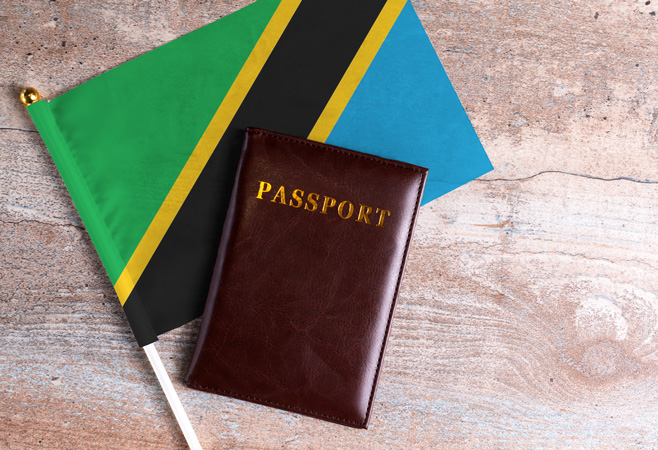
Know Tanzania’s entry requirements before your safari, beach escape, or Kilimanjaro adventure
Guide to Tanzania entry requirements: Visas, health, and customs
Travelers entering Tanzania must comply with a set of immigration, visa, passport, and health regulations that are set by the Tanzania Immigration Department. Proper preparation before arrival helps prevent delays, fines, or refusal of entry at the border.
Passport requirements
All travelers must hold a valid passport with at least six months of remaining validity from the date of entry into Tanzania. The passport must also have at least one blank page to provide the immigration stamps. Damaged, expired, or insufficient blank pages on passports may result in denied entry.
Visa requirements
Most foreign travelers need a visa to enter Tanzania, except those from visa-free countries. Choosing the correct option from the available Tanzania visa types is essential, as immigration rules are strictly enforced.
- Tanzania e-Visa: Eligible travelers can apply online before arrival for tourism, short business trips, or transit. It helps avoid airport queues but still requires approval and final clearance on arrival.
- Visa on arrival: Available for some nationalities at airports and land borders. Travelers must present documents, pay fees, and may face waiting times or possible refusal if requirements are not met.
- Embassy visa: Required for certain nationalities, long-term stays, or special visa types. Applications should be submitted well in advance due to longer processing times.
- Compliance: Travelers must follow visa conditions strictly. Activities like work or volunteering are not allowed on a tourist visa and may lead to penalties or deportation.

Apply for your Tanzania visa online easily through the official eVisa system before your trip
To better understand the application steps and required documents, you can refer to the Tanzania tourist e-Visa guide before planning your trip.
Proof of travel plans
The immigration officers can demand a demonstration of returning or continued travel and a demonstration of accommodation, which may be hotel reservations or a letter of invitation from a host. These papers testify to the plans of the traveler to depart Tanzania during the allowed time.
Tanzania entry requirements for East African Community (EAC) citizens
Citizens of East African Community (EAC) countries—Kenya, Uganda, Rwanda, Burundi, South Sudan, DR Congo, and Tanzania—enjoy visa-free entry to Tanzania under regional agreements.
- Visa exemption: EAC nationals can enter Tanzania without a visa for short stays, provided they present valid identification and meet basic entry requirements.
- Travel documents: A valid passport is generally required, while national ID cards may be accepted for certain EAC countries under specific arrangements.
- Length of stay: Visitors are typically allowed to stay up to 90 days, depending on the purpose of travel. Longer stays or employment require proper permits.
- Purpose of travel: Visa-free entry covers tourism, family visits, and short business trips. Work, study, or long-term activities require official authorization.
- Entry procedures: EAC travelers must still pass immigration checks, receive entry stamps, and comply with customs, health, and security regulations.
While travel is simplified, EAC citizens must follow all rules to avoid penalties or entry issues.
Before planning your trip, it is also helpful to check if you are from a free visa country for Tanzania, as this may simplify your entry requirements.
Customs and immigration checks upon arrival
All travelers must pass through immigration control, where passports are stamped with the permitted length of stay. Customs declaration and biometric data gathering can also be requested. Tourists are expected to adhere to the laws of customs regarding prohibited or limited goods.
A thorough examination of entry requirements in Tanzania and entering the country with the proper requirements before traveling can give one an edge in ensuring legal entry and a stress-free beginning of the journey.
Tanzania visa types for entry
Tanzania offers several visa types based on travel purpose, and choosing the correct one is essential to avoid refusal, fines, or deportation.
- Tourist Visa: For leisure, sightseeing, or visiting family. Usually single-entry, valid up to 90 days. It does not allow work, volunteering, or income activities. Available via eVisa, Visa on Arrival, or embassy application.
- Business Visa: For short-term business activities such as meetings or conferences. Typically valid up to 90 days and requires supporting documents (e.g., invitation letter). Employment is not permitted.
- Transit Visa: Issued for travelers passing through Tanzania to another destination, usually valid up to 7 days. Proof of onward travel is required. No tourism or business activities allowed.
- Student Visa: Required for foreign students, issued based on the study duration. Applicants must provide an admission letter and may need a residence permit for long-term study.
- Work and Residence Permits: Required for employment, long-term volunteering, or residence. These permits are issued separately, typically valid for 1–2 years, and require sponsorship and legal compliance.
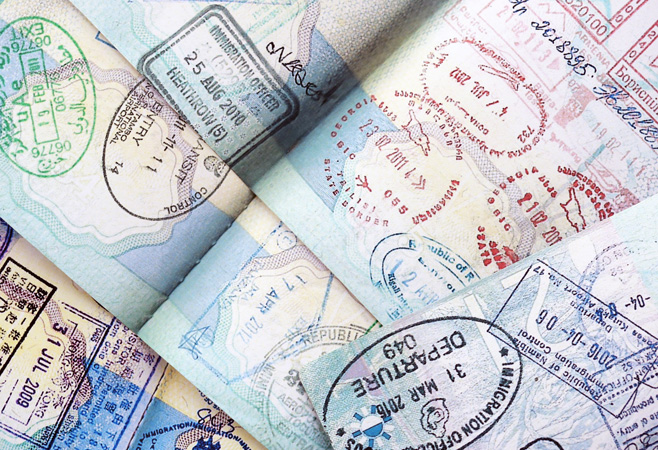
Tanzania provides a range of visa options tailored to various travel purposes, such as tourism, business, and more
Health and vaccination requirements for entry
Travelers to Tanzania must follow health and vaccination requirements based on origin, transit history, and current regulations.
- Yellow fever: A vaccination certificate may be required if arriving from or transiting through high-risk countries (usually over 12 hours).
- Recommended vaccines: Routine vaccines (e.g., measles, tetanus) should be up to date. Additional vaccines like hepatitis A/B, typhoid, or rabies are advised depending on travel plans.
- Arrival screening: Health checks, such as temperature screening or declarations, may be conducted at entry points.
- Insurance and preparation: Travel medical insurance is recommended, along with carrying necessary medications and medical records.
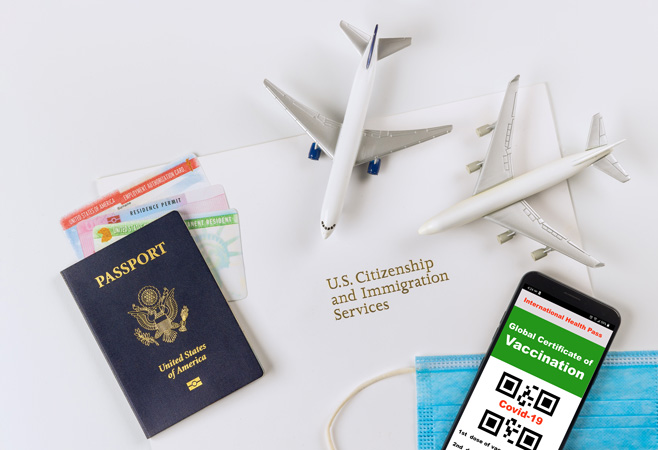
Proof of yellow fever vaccination may be required when arriving from affected countries
Immigration checks upon arrival in Tanzania: What travelers should expect
- Entry stamp and stay duration: Upon arrival, travelers must present their passport and visa (if required). An entry stamp will indicate the permitted length of stay, which may be shorter than the visa validity. Overstaying can result in fines, detention, or deportation.
- Passport control and biometrics: Immigration officers may collect biometric data (e.g., fingerprints, photos) and verify passport validity, visa type, and travel purpose, including compliance with Tanzania visa photo specification. Travelers may also be asked about accommodation and onward plans.
- Customs requirements: After immigration, travelers must declare items such as large sums of money or high-value goods. Prohibited items include drugs, weapons, and wildlife products. Failure to declare may lead to fines or confiscation.

Visa on arrival is available for some nationalities, but prior approval may still be required
Special entry rules and restrictions
In addition to basic requirements, travelers must follow specific entry rules in Tanzania to avoid penalties at airports, seaports, and land borders.
- Prohibited and restricted items: Items like drugs, weapons, counterfeit money, and wildlife products are banned. Some items (e.g., drones, large cash, medicines) may require declaration or prior approval.
- Minors: Children traveling alone or with one parent may need extra documents such as consent letters or birth certificates.
- Dual nationality: Travelers must use the same passport for entry as used in the visa. Tanzanian dual nationals must enter/exit with Tanzanian documents.
- Purpose compliance: Activities must match the visa type. Unauthorized work, volunteering, or business may lead to penalties or deportation.
- Security checks: Immigration officers may conduct additional checks and have final authority on entry approval.
Exit requirements for leaving Tanzania
When leaving Tanzania, travelers must follow exit regulations to avoid delays or penalties at airports, land borders, or seaports.
- Valid status: Ensure your visa is still valid or within the permitted stay. Overstaying may result in fines or legal issues. Carry extension documents if applicable.
- Exit clearance: All travelers must pass immigration control and receive an exit stamp. Officers will verify visa validity and compliance.
- Fines and penalties: Any overstay fines or violations must be settled before departure to avoid delays or travel restrictions.
- Customs rules: Exporting restricted items (e.g., wildlife products, cultural artifacts, large cash) without permission is illegal and may lead to confiscation or prosecution.
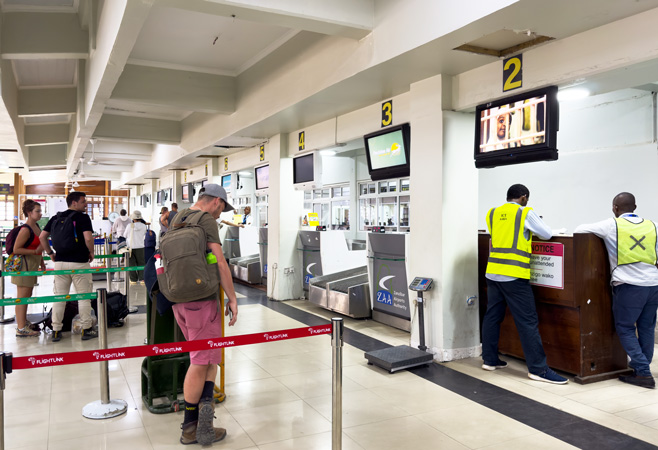
Arrive at least 3 hours early for international flights due to varying security and immigration checks
What happens if you overstay in Tanzania?
- Overstay fines: Overstaying a visa in Tanzania results in daily fines set by immigration authorities, which must be paid before departure. Failure to pay can delay exit or lead to further action.
- Detention and deportation: Serious or repeated overstays may lead to detention and possible deportation at the traveler’s expense.
- Future travel impact: Overstay records can affect future visa approvals, lead to stricter checks, or even result in entry bans. Compliance with visa rules is essential to avoid long-term consequences.

Overstaying your visa in Tanzania can lead to fines, legal issues, and future travel restrictions
Re-entry rules and multiple entry visas
Understanding re-entry rules is essential for travelers planning to leave and return to Tanzania.
- Single-entry visa: Valid for one entry only. Once you leave Tanzania, the visa becomes invalid—even if time remains—so a new visa is required for re-entry.
- Multiple-entry visa: Allows multiple visits within the visa validity period, but each entry is subject to immigration approval and may have different stay durations.
- Re-entry conditions: Immigration officers assess passport validity, visa type, travel history, and past compliance. Previous violations may lead to refusal of entry.
- Validity vs. stay: Visa validity does not equal permitted stay. Overstaying can affect future re-entry.
Entry and exit rules for Zanzibar
Zanzibar follows Tanzanian immigration laws but has its own administrative procedures.
- Entry from abroad: Travelers must meet standard Tanzania visa and passport requirements. Immigration checks and entry stamps apply as on the mainland.
- Travel within Tanzania: Flights or ferries between Mainland Tanzania and Zanzibar involve identity and document checks for both foreigners and residents.
- Health and insurance: Since October 2024, Zanzibar requires mandatory travel insurance for foreign visitors, along with possible health screening.
- Exit procedures: Travelers must complete exit immigration and resolve any visa issues before departure.

A visa is required for almost everyone entering Zanzibar/Tanzania, including Zanzibar
To ensure a smooth entry process, you should familiarize yourself with the Tanzania referral visa application requirements if additional approval is needed.
Common entry and exit mistakes to avoid
Many travelers face entry or exit issues in Tanzania due to avoidable mistakes. Understanding these can help ensure a smooth journey.
- Wrong visa type: Using a tourist visa for work or volunteering may lead to refusal, fines, or deportation—ensure you apply for the correct option, such as a visa volunteer in Tanzania if applicable.
- Visa validity vs. stay: The allowed stay is determined by the entry stamp, not the visa validity.
- Overstaying: Exceeding your stay can result in fines, detention, or entry bans—apply for a tourist visa extension in advance.
- Missing documents: Lack of required documents (accommodation, onward travel, extension proof) may cause delays or refusal.
- Visa runs: Frequent exits and re-entries to extend stay are discouraged and may lead to denial.
- Zanzibar rules: Additional requirements like mandatory insurance are often overlooked.

To ensure a smooth entry into Tanzania, travelers should be aware of potential immigration issues and how to avoid them
Tips for smooth entry and exit in Tanzania
A smooth entry and exit in Tanzania requires proper preparation and understanding of immigration rules. Follow these tips to avoid delays or penalties:
- Prepare documents: Carry valid passport, visa, vaccination proof, and travel documents. Keep both physical and digital copies.
- Choose the right visa: Ensure your visa matches your travel purpose to avoid issues.
- Check permitted stay: Follow the entry stamp, not just visa expiry.
- Track your stay: Learn how to extend visa in Tanzania and apply before your visa expires.
- Follow customs and health rules: Declare restricted items and meet vaccination requirements.
- Arrive early: Allow extra time for immigration and customs procedures.
These steps help ensure a smooth and hassle-free travel experience in Tanzania.
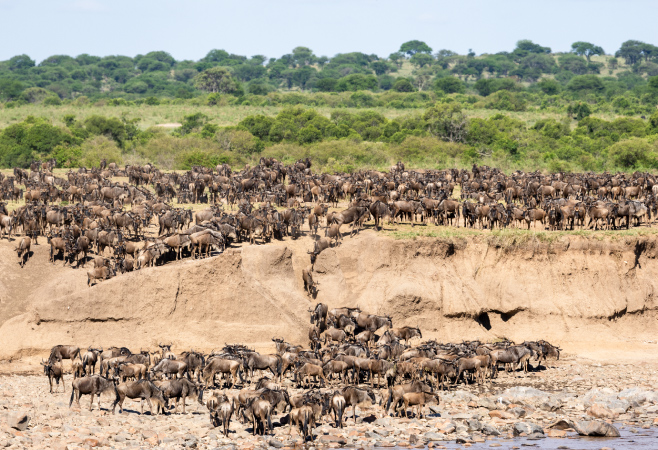
To ensure a hassle-free experience when entering and leaving Tanzania
Conclusion
To sum it up, knowledge of Tanzania entry and exit requirements is vital in achieving a lawful and stress-free travel experience. Immigration checks, health rules, passport and visa requirements, exit control, and careful preparations can ensure that travelers do not have to spend time at the airport waiting, or they do not pay fines or have their entry denied.
Related Articles
- Zimbabwe to Tanzania Distance: Flight, Road & Travel Guide
- India to Tanzania Distance: Flight Time and Travel Guide
- Kenya to Tanzania Distance: Flight, Road Time & Travel Guide
- Affordable Tanzania Safari and Zanzibar Packages from UK
- Explore Holiday Packages from South Africa to Zanzibar
- South Africa to Tanzania Distance: Travel Routes and Essential Travel Guide
- Affordable Zanzibar Packages from South Africa
- Travel to Tanzania from Canada: Entry Requirements, Costs & Tips
- Sauti za Busara Zanzibar: Festival Guide & Tips
- Weather in Dar es Salaam: Climate Guide & Best Time

 NEED HELP 24/7
 United States
  United Kingdom
  Singapore
  Viber
Viber 


