
Tanzania Transportation Guide: Options, Tips & Travel
 By Axel Donovan
| Update on: Apr 06, 2026
By Axel Donovan
| Update on: Apr 06, 2026
Public transport in Tanzania is important in day-to-day life, economic growth, and tourism development. The Tanzanian government is heavily dependent on the road-based transport systems to unite the various major cities, rural areas, and tourist attractions in the country since the country is one of the largest in East Africa. Be it a local who is going to work or a tourist going to see safaris and beaches, knowing the government transportation in Tanzania will assist you get around the country more effectively.
This is a guide that covers the Tanzania transport system in terms of structure, key modes of transportation, prices, problems, and developments in the future.
- Overview of the Tanzania transport system
- Main types of public transport in Tanzania
- Public transport in major cities of Tanzania
- Cost of public transport in Tanzania
- Advantages of public transport in Tanzania
- Government policies and improvements
- How to get around Tanzania as a tourist
- Challenges facing public transport in Tanzania
- Essential tips for traveling to Tanzania: What every visitor should know
- Conclusion
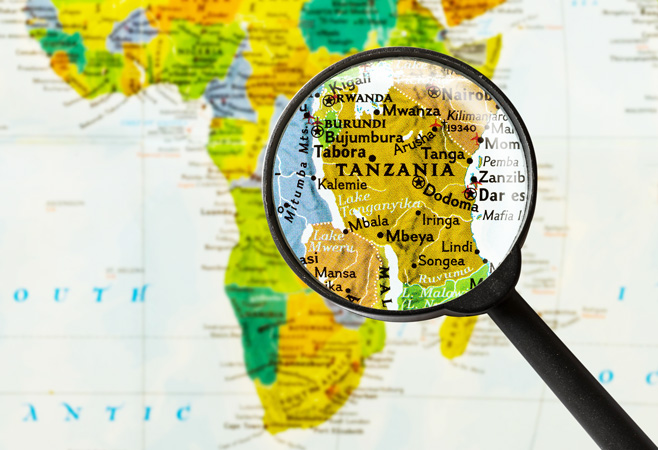
Tanzania's public transport system is, as a rule, unreliable, uncomfortable, and slow
Overview of the Tanzania transport system
Tanzania's transport system is an important infrastructure that facilitates economic development in the region as well as tourism and everyday movement within the nation. Being one of the biggest countries in East Africa, Tanzania relies on a multi-mode transportation system that links urban centers with rural societies, ports, and the countries adjacent to it. The system is being constantly enhanced with infrastructure investments and modernization projects. To plan effectively, understanding the best time to travel to Tanzania is also essential for a smoother experience.
Road transport
The Tanzania transport system is dependent on road transport. It transports most of the passengers and goods within the country. Big highways are connecting the cities like Dar es Salaam, Dodoma, Arusha, and Mwanza, as well as rural roads connecting the remote villages to regional markets.
Railway transport
Tanzania has the standard Gauge Railway (SGR) and the Central Railway Line (meter gauge). The SGR project will enhance speed, safety, and regional connectivity to enhance long-distance travel and cargo transportation.
Air transport
Tourism and business travel are made possible by domestic and international airports. Some major hubs are Julius Nyerere International Airport and Kilimanjaro International Airport, known as the biggest airport in Tanzania, offering convenient access for international travelers.
Water transport
Ferries serve the Indian Ocean coastline and large lakes like Lake Victoria, which help in trade and the movement of passengers.
Nevertheless, these elements combine to create a developing and strategically significant transportation network.
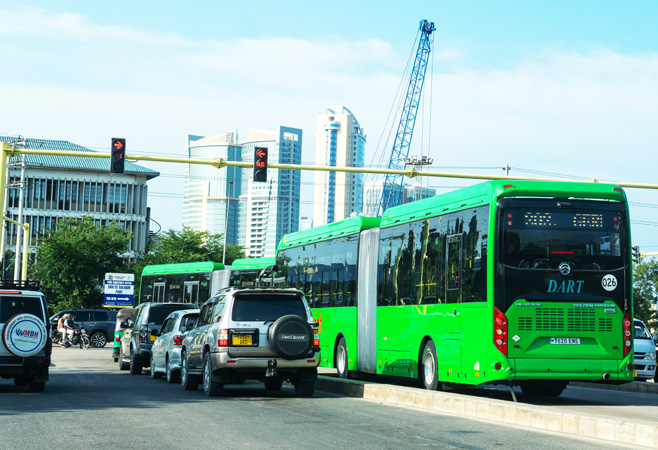
Tanzania's public transport system is, as a rule, unreliable, uncomfortable, and slow
Main types of public transport in Tanzania
In Tanzania, transport is mainly done through the transport system that links cities, towns, and the rural population. Since Tanzania is geographically large and has a growing population, there are various means of transport that have been established to suit various movement requirements. These services are different in terms of affordability, speed, comfort, and accessibility. In Tanzania, the principal modes of transport are listed below:
Daladala (Minibuses)
The urban transport vehicles used most in Tanzania are the daladala. These privately owned minibuses operate on regular routes in large cities like Dar es Salaam, Arusha, Mwanza, and Dodoma. They are very cheap and run on a regular basis during the day. Nevertheless, Daladala tends to be crowded, and passengers do not have much comfort. Regardless of these shortcomings, they have continued to be the mainstay of day to day commute for millions of residents.
Bus Rapid Transit (BRT)
Bus Rapid Transit (BRT) or DART (Dar Rapid Transit) is a bus system that is used in Dar es Salaam. BRT buses are moved in their special lanes, and this minimizes the delay of traffic and enhances dependability. BRT services are organized, safer, and even rather comfortable as compared to daladala. This system is still being developed by the government to ease congestion and modernize urban mobility.
Long-distance buses
Long-distance buses are the best and cheapest means of traveling across cities. They link the cities of great importance like Dar es Salaam, Arusha, Dodoma, Mbeya, and Mwanza. The quality of the bus is between simple vehicles and the new buses with air conditioning and reserved seats. Buses are cheap and readily available, even though the distance covered by road may be very long.
Railway services
Tanzania has the traditional Central Railway Line and the modern Standard Gauge Railway (SGR). The SGR is aimed at enhancing the speed, safety, and comfort of passengers. Rail transport is especially significant in long-distance transportation and cargo transportation.
Ferries and domestic flights
Cities and islands are linked using ferries, with the Dar es Salaam-Zanzibar route being the most popular. Domestic flights offer faster access to far-flung areas as well as the areas frequented by tourists, such as safari parks and island resorts.
All these means of transportation make up the basis of the public transport in Tanzania.
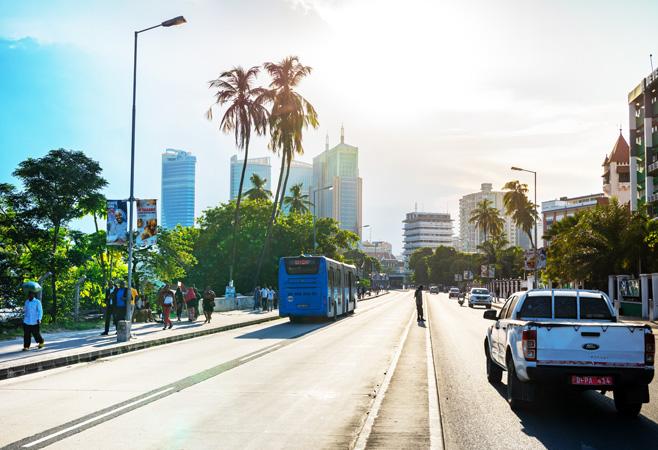
Tanzania transport: buses, trains, taxis, ferries, flights
Public transport in major cities of Tanzania
The Tanzanian transport in the form of public transport varies according to the population density, level of investment in the infrastructure, and economic activity. Although all major urban centers are mainly based on road transportation, the degree of development and organization is different as well. Dar es Salaam is the best-organized system, but other cities rely on minibuses and unstructured modes of transport.
Dar es Salaam
The commercial city and the largest city in Tanzania, Dar es Salaam, has the most advanced urban transport system in the country. The primary modes of public transport include daladala minibuses, the Bus Rapid Transit (BRT) system called DART, taxis, motorcycle taxis (bodaboda), and ride-hailing options (Bolt and Uber).
The BRT operates on dedicated lanes along selected corridors, which contributes to speeding up the commuting time on highways. Nonetheless, it is not serving the whole city yet, and growth is done in phases. Even though traffic congestion has been improving, it is still a big problem during the peak hours because of the high rate of rapid population growth and the rising number of vehicles.
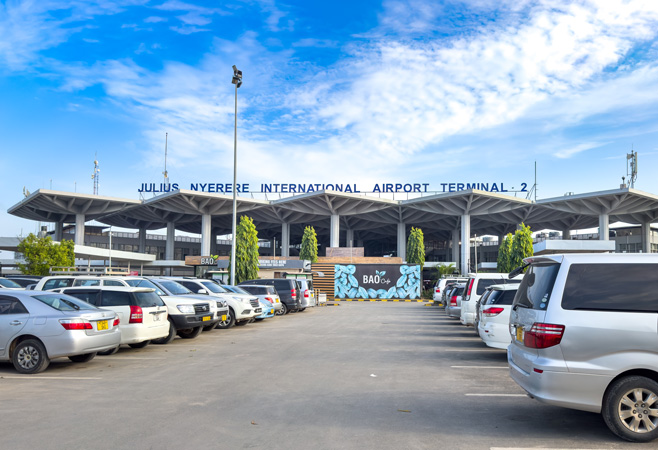
As the largest and busiest city in Tanzania, Dar es Salaam has the most developed urban transport network
Arusha
Arusha is a big tourist destination, and national parks like Serengeti and Ngorongoro are accessible through it. The main form of transport in the city is public transport via daladala minibuses and shared taxis to the city and neighbouring towns. There are a few ride-hailing services compared to those in Dar es Salaam. Although it is typically less busy, the services are smaller and informal.
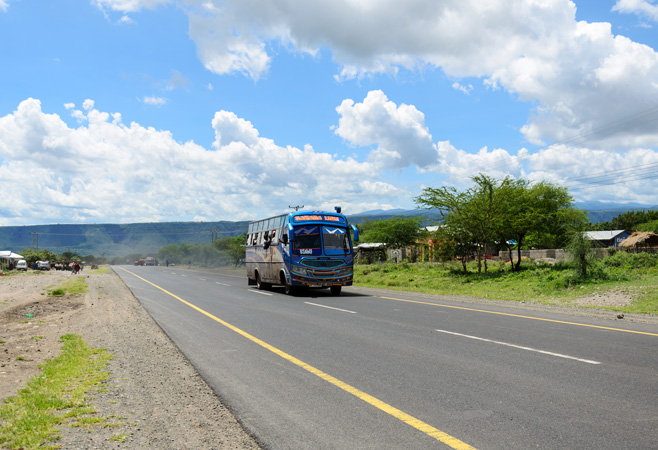
Arusha – gateway to Serengeti and Ngorongoro safari adventures
Dodoma
The official capital of Tanzania is Dodoma, which has a slowly developing but at the same time, a relatively simple transport network. Most residential places are served by Daladala, though the infrastructure of the public transport is not as advanced as in Dar es Salaam. The expansion of roads is still ongoing due to the continued growth of the city.
Mwanza
The city of Mwanza, on the banks of Lake Victoria, is largely dependent on the use of daladala to travel in urban areas. Water transport exists on Lake Victoria, which mainly serves lakeside communities and adjoining islands, and is not a high-density ferry system in an inner-city.
All in all, major cities in Tanzania have affordable and widely used public transport, although their efficiency and the infrastructure level leave much to be desired.
To make the most of your journey, you can also explore our guide on activities to do in Tanzania for inspiration on top experiences and attractions.
Cost of public transport in Tanzania
Public transport is relatively cheap in Tanzania as compared to the rest of the world, but prices have been rising steadily in recent years because of the cost of fuel and operation. With such increments, transport is affordable to low-income residents and budget travelers.
One of the strongest advantages of public transport in Tanzania is affordability.
Daladala (Urban Minibuses)
In cities like Dar es Salaam, Arusha, Dodoma, and Mwanza, Daladala is the cheapest mode of transport in the city, and it is used in large numbers. The fares are controlled and regulated by the Land Transport Regulatory Authority (LATRA) and determined by distance.
- Short urban routes typically cost 600-800 TZS (approximately 0.25-0.35 USD).
- Medium to longer city routes usually range between 1,000-1,500 TZS (0.40-0.60 USD).
Students receive discounted fares with valid identification.
Bus Rapid Transit (BRT – Dar es Salaam)
Dar es Salaam has the BRT system (DART), which is more costly than Daladala but is better organized and has less travel time since there are lanes designated exclusively.
Standard fares generally range from 750 TZS to 1,200 TZS (0.30–0.50 USD), depending on distance.
Long-Distance Buses (Intercity Travel)
Intercity bus services are still the main means of travelling between the major cities.
- Dar es Salaam to Arusha (about 600 km): approximately 40,000-55,000 TZS (16-22 USD).
- Dar es Salaam to Dodoma: around 30,000-40,000 TZS (12-16 USD).
Premium coaches with air conditioning or luxury seating cost more.
Train services
The Standard Gauge Railway (SGR) and the Central Line offer competitive pricing.
- Dar es Salaam to Morogoro via SGR: typically 15,000-25,000 TZS (6–10 USD), depending on class.
- Longer routes cost more but remain comparable to intercity bus fares.
Ferries
- Dar es Salaam to Zanzibar: between 35 and 60 USD per way, according to operator and seat category.
- There are also ferries within the local lakes at Lake Victoria that are much cheaper for locals.
Ride-Hailing and Taxis
In Dar es Salaam, Bolt and Uber start from approximately 3,000–5,000 TZS (1–2 USD), depending on distance and demand.
Advantages of public transport in Tanzania
Various significant benefits of public transport in Tanzania make it a vital part of everyday life and national development. Despite infrastructure challenges, the system serves millions of people every day.
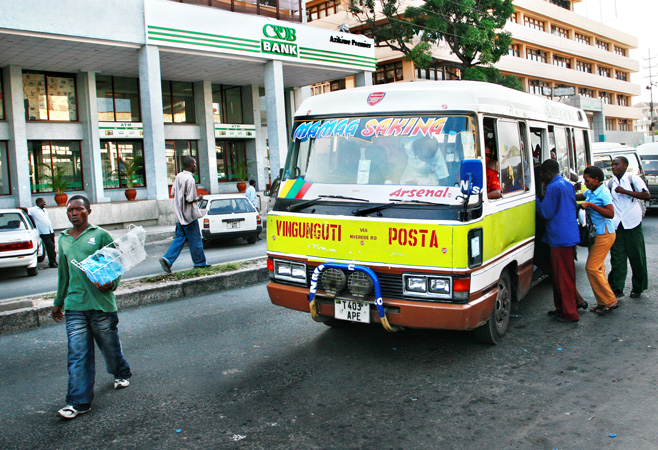
Public transport in Tanzania plays a vital role in supporting daily mobility, economic development, and social connectivity
- Affordable for daily commuters: Daladala and BRT are relatively cheap modes of public transportation, and workers, students, and small business owners will not have to incur a lot of money to travel. This affordability makes mobility accessible to a large portion of the population.
- Wide coverage across cities and regions: Transport networks facilitate the transport of major cities, towns, and most rural areas through roads. Even isolated villages are usually connected with the help of minibuses or long-haul buses, ensuring broader connectivity across the country.
- Supports employment in the informal sector: The transport industry employs drivers, conductors, mechanics, ticket agents, and small operators who are a significant part of the informal economy.
- Enables tourism and regional trade: Good transport networks promote tourism and ease the transportation of goods across the regions
Government policies and improvements
Through national transport development strategies, the Tanzanian government has also implemented reforms. These include:
- Expansion of the BRT system
- Development of the Standard Gauge Railway
- Road network improvements
- Port modernization
- Investment in regional connectivity.
The transport policy of Tanzania aims at enhancing safety and efficiency, and economic integration.
How to get around Tanzania as a tourist
Getting around Tanzania is relatively easy, but the best option depends on your itinerary, budget, and comfort. As a large country with diverse landscapes, choosing the right transport can greatly improve your travel experience. It is also helpful to understand the Tanzania climate and weather to plan routes and travel timing more efficiently.
- Domestic flights are the fastest way to travel long distances, especially to destinations like the Serengeti, Zanzibar, or Kilimanjaro.
- Long-distance buses connect major cities and are a budget-friendly option, though comfort varies.
- Urban transport includes BRT, minibuses, taxis, and ride-hailing apps like Uber or Bolt, with ride-hailing being the most convenient for tourists.
- Ferries operate daily between Dar es Salaam and Zanzibar—advance booking is recommended.
- Private transfers and tours are ideal for safaris and national parks, where road access can be limited.
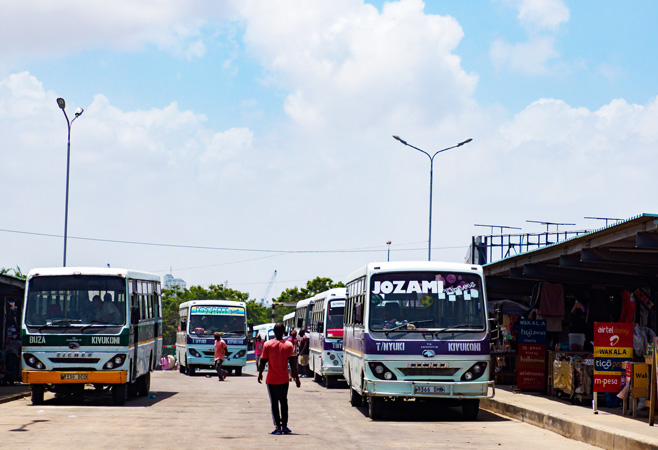
Within cities and towns, dalla dalla, boda boda (motorcycle taxis), and bajaji (tuk-tuks) are all cheaper than conventional taxis
Challenges facing public transport in Tanzania
Nevertheless, there is no doubt that the problem of public transport is complicated in Tanzania:
- Overcrowding
- Road safety concerns
- Inconsistent schedules
- Infrastructure gaps in rural areas
- Congestion in big cities.
With the growth of the urban population, there is pressure on transportation networks, which demand more strategic planning and investment.
Essential tips for traveling to Tanzania: What every visitor should know
A trip to Tanzania—whether for safari, Zanzibar beaches, or climbing Kilimanjaro—can be unforgettable with proper preparation. For more detailed guidance, you can explore travel advice for a safe trip to Tanzania to ensure a secure and enjoyable journey.
- Check visa requirements: Apply for an eVisa or confirm eligibility for visa on arrival before traveling.
- Get vaccinations: Yellow fever may be required; hepatitis A, typhoid, and malaria prevention are recommended.
- Carry local cash (TZS): Cards are accepted in major places, but cash is needed for local services and markets. It is advisable to exchange money in Tanzania through authorized providers to avoid scams and get fair rates. And This is especially useful when buying souvenirs from Tanzania in local markets and small shops.
- Plan transport carefully: Use domestic flights for long distances and reliable buses or tours for land travel.
- Respect local culture: Tanzania has a rich cultural heritage, and visitors may also explore historical and religious sites such as churches in Tanzania for a deeper cultural experience. You may also enjoy exploring local markets and places for shopping in Tanzania for authentic experiences.
- Choose reputable operators: Licensed guides are essential for safaris and trekking. Preparing in advance, including knowing what to pack for safari in Tanzania, will make your trip more comfortable and enjoyable.
- Stay hydrated and eat safely: Drink bottled water and choose clean, trusted restaurants.
Conclusion
Public transport in Tanzania is the engine of movement of millions of residents and tourists. Daladala minibuses, modern BRT, and growing railway systems are just some of the various forms of transportation that can be used in the country, depending on the budgetary and other requirements.
Despite this, there are still issues like congestion and overcrowding, but the fact that the government is strategic when it comes to investments and building infrastructure is a good sign that the situation will improve in the future.
Whether you are commuting daily or exploring Tanzania’s breathtaking landscapes, understanding the transport system will make your journey smoother and more enjoyable.
Related Articles
- Zimbabwe to Tanzania Distance: Flight, Road & Travel Guide
- India to Tanzania Distance: Flight Time and Travel Guide
- Kenya to Tanzania Distance: Flight, Road Time & Travel Guide
- Affordable Tanzania Safari and Zanzibar Packages from UK
- Explore Holiday Packages from South Africa to Zanzibar
- South Africa to Tanzania Distance: Travel Routes and Essential Travel Guide
- Affordable Zanzibar Packages from South Africa
- Travel to Tanzania from Canada: Entry Requirements, Costs & Tips
- Sauti za Busara Zanzibar: Festival Guide & Tips

 NEED HELP 24/7
 United States
  United Kingdom
  Singapore
  Viber
Viber 


