
Planning the Perfect Tanzania Safari Trip: Parks, Wildlife & Travel Tips
 By Axel Donovan
| Update on: Apr 23, 2026
By Axel Donovan
| Update on: Apr 23, 2026
A safari trip to Tanzania is not a vacation; it is a once-in-a-lifetime journey into the wild heart of Africa. Tanzania boasts endless hilly savannahs, dramatic volcanic craters, and some of the richest wildlife ecosystems on the planet. The country has earned its status as one of the best safari destinations in the world. Witnessing the Great Migration in the Serengeti or spotting the Big Five in the Ngorongoro Crater makes every moment cinematic and unforgettable.
Tanzania offers a wide range of safari experiences for every type of traveler — from adventure seekers and wildlife photographers to honeymooners and families. This ultimate guide will walk you through the best parks, the ideal time to visit, different types of safaris, and everything else you need to plan the perfect Tanzania safari trip.
- Why choose Tanzania for a Safari holiday?
- Best wildlife safari destinations in Tanzania: Where to see the Big Five
- Types of Safari experiences in Tanzania
- Best time to go on a Tanzania safari trip
- Planning your Tanzania safari trip
- Top accommodations for safari in Tanzania
- Tips for an unforgettable Safari experience in Tanzania
- Conclusion
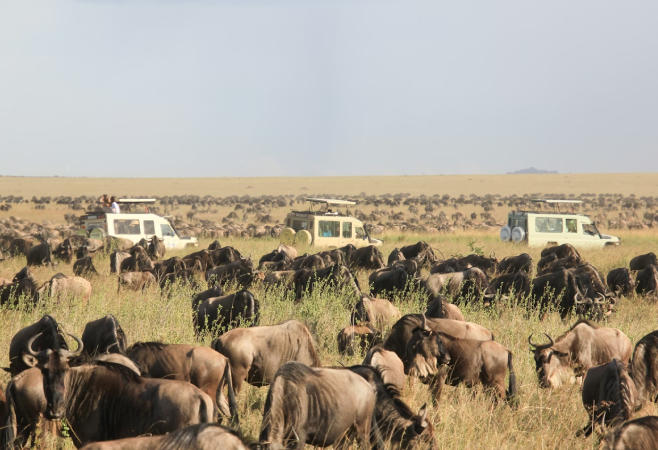
Spot Africa’s iconic wildlife on safari in Ngorongoro Crater, Lake Manyara, and Serengeti National Parks
Why choose Tanzania for a Safari holiday?
Tanzania is considered one of the most recognizable wildlife destinations in Africa, and that is why it is a perfect choice when it comes to memorable experiences. Safari holidays in Tanzania allow visitors to explore some of the most famous wildlife parks in the world, such as the Serengeti and the Ngorongoro Crater, where wildlife thrives in breathtaking natural surroundings.
Visitors can witness the spectacular Great Migration, spot the Big Five, and enjoy close encounters with diverse wildlife throughout the year. Beyond wildlife, Tanzania also offers rich cultural experiences, including visits to Maasai communities. Tanzania safari holidays provide a perfect African safari experience with great safari infrastructure, expert guides, and choices such as luxury lodges and budget-friendly camps. Explore more about the best national parks in Tanzania to plan your ideal itinerary.
Best wildlife safari destinations in Tanzania: Where to see the Big Five
Tanzania boasts some of the best wildlife reserves and national parks in Africa. The country is home to safari activities for all kinds of travelers, whether it is in large plains with migrating animals or the remote wilderness with a great number of species of biodiversity. Here are the top 10 safari destinations in Tanzania you should consider.
Serengeti National Park
Serengeti National Park has been regarded as one of the best places for safaris in Tanzania and as the real symbol of African wildlife. The park is characterized by vast open plains and is popular due to the great migration, where millions of wildebeests and zebras travel across the park in search of new grazing. Visitors can easily spot the Big Five, as well as cheetahs, hyenas, and myriad forms of birds. The Serengeti offers excellent game viewing throughout the year, spectacular sunsets, and memorable predator activities. Regardless of whether it is a luxury lodge or a tented camp, this park provides an authentic and exciting safari experience that is hard to match anywhere else in Africa.
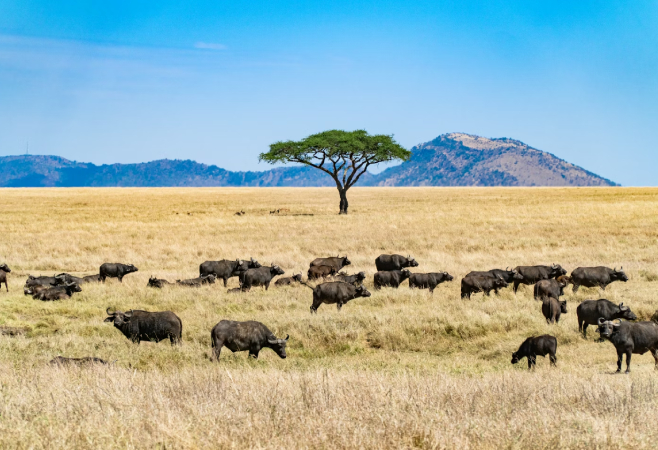
Serengeti is one of the oldest, largest, and most iconic national parks in Africa
Ngorongoro Crater
Ngorongoro Crater is a UNESCO World Heritage Site and one of the most remarkable places to see on a safari in Tanzania. The crater was formed millions of years ago after a massive volcanic collapse, creating a natural enclosure that now supports an extraordinary concentration of wildlife. In its green grasslands and soda lake, the visitor can see lions, elephants, buffalo, and very rarely, even black rhinos. Because of its relatively compact size, wildlife viewing is an easy and satisfying experience, which in most cases enables a traveler to view more than one species of wildlife within a day. With the dramatic crater walls and the amazing view, Ngorongoro provides a distinctive and memorable safari in Tanzania.
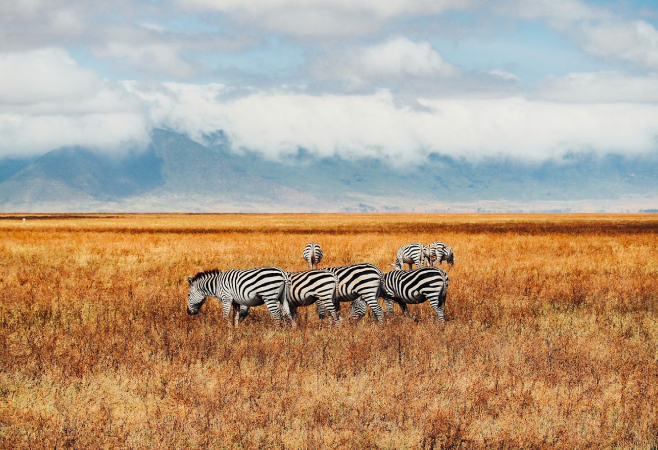
Ngorongoro Crater, the world’s largest intact volcanic caldera and top attraction of the Ngorongoro Conservation Area
For a more off-the-beaten-path safari, it’s worth checking the best time to visit Katavi National Park to enjoy its untouched wilderness at its peak.
Tarangire National Park
Tarangire National Park is among the most stunning Tanzania safari destinations that have expansive scenery and a remarkable game variety. The park is particularly well-known for its huge herds of elephants, which come together along the Tarangire River during the dry season. Visitors can also spot lions, leopards, giraffes, zebras, and a wide variety of bird species. The iconic baobab trees in Tarangire are one of the most easily recognizable elements that form a dramatic and photogenic background. Tarangire is less crowded than other parks, offering visitors a quieter and more authentic safari experience.
Lake Manyara National Park
Lake Manyara National Park is a small but diversified safari park in northern Tanzania. The park is well endowed with wildlife experiences and beautiful views despite its small size. It is especially known to have rare tree-climbing lions, which are regularly found lying on acacia branches. The park is also a paradise for bird lovers, where the flamingos and hundreds of other species of birds will find the alkaline lake. Lake Manyara is a picturesque and fulfilling place to have a safari surrounded by forests and dramatic escarpments.
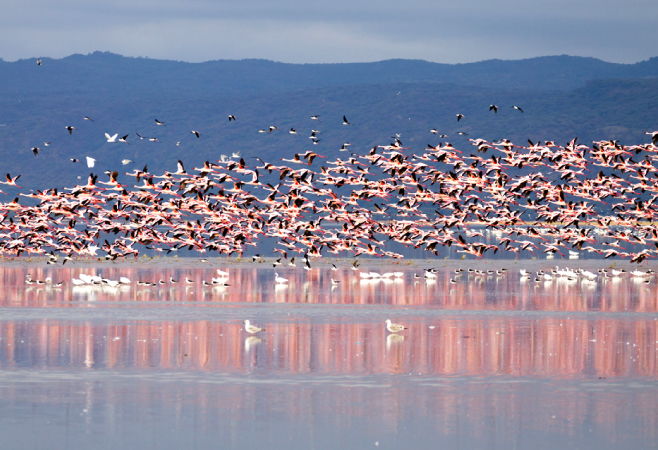
Lake Manyara National Park is well known for the tree-climbing lions, the soda ash lake that attracts thousands, and the pink flamingos
Nyerere National Park
Nyerere National Park, which was once a section of Selous Game Reserve, is one of the largest game reserves in Africa, and it is a true hidden gem in southern Tanzania. The park is widely known as a remote and untouched wilderness, which is a more affordable alternative to the more popular safari destinations. Visitors are given a chance to have classic game drives, guided walking safaris, and special boat safaris along the Rufiji River, where hippos and crocodiles are commonly found. Elephants, lions, wild dogs, buffalo, and numerous bird species can be found in Nyerere. It has expansive landscapes, including woodlands and river channels, which provide a wild and natural safari adventure to adventurous tourists.
Ruaha National Park
Ruaha National Park is one of the largest national parks in Tanzania and among the most remote safari destinations in the country. It is situated in the southern circuit and is a wild and uncrowded experience for the traveler who wants to have the real adventure. The park is renowned for its large population of lions and marvelous numbers of elephants that gather along the Great Ruaha River. One can also see leopards, cheetahs, giraffes, and rare African wild animals. The rugged landscapes in Ruaha can be described as dramatic due to the baobab trees and rocky hills scattered all over. Having fewer visitors and a variety of wild animals, Ruaha offers a real and fulfilling safari experience in Tanzania.
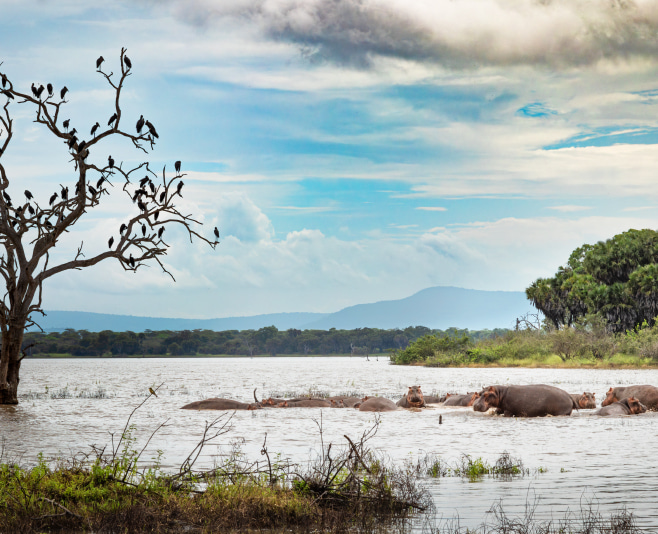
Remote, raw, and filled with wildlife, Nyerere National Park is Africa's largest game reserve
Types of Safari experiences in Tanzania
A Tanzania safari expedition can be tailored to suit different travel styles, interests, and budgets. Visitors have the chance to experience classic wildlife drives and immersive walks to ensure that they have chosen the kind of experience according to their expectations.
- The most popular safari activity is the classic game drive. They are conducted in 4x4 vehicles and usually in the early mornings and late afternoons when animals are most active. This is the typical safari in places like Serengeti, Ngorongoro, Tarangire, and Ruaha.
- Walking safaris enable the visitors to walk in the bush together with a professional guide and an armed ranger. This experience is offered in several parks, such as Nyerere and Ruaha, where one is in a position to learn more about the ecosystem.
- Another popular activity is boat safaris, which are offered within the Nyerere National Park, where tourists get the chance to observe hippos, crocodiles, and bird species along the Rufiji River.
- In the Serengeti, hot air balloon safaris offer breathtaking views of the sunrise over the plains and migrating herds.
In addition to activities, travelers can choose different styles of safari travel:
- Travelers can choose luxury lodge safaris with high-end amenities
- Mid-range tented camps
- Budget camping safaris
- Private custom tours or group safaris
Each option provides a unique way to experience Tanzania’s remarkable wilderness.
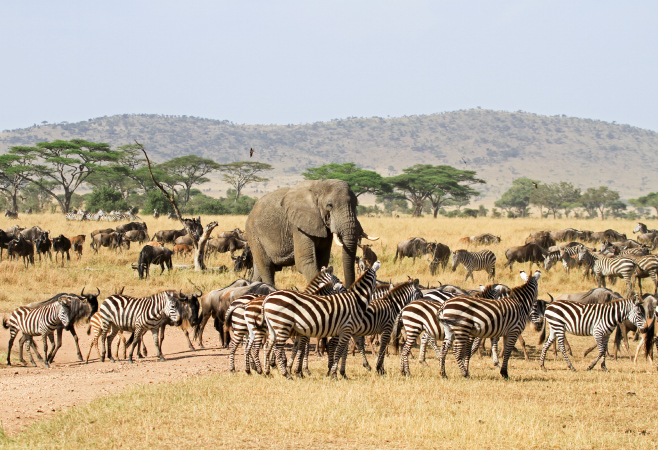
Explore unforgettable Tanzania safaris—from Serengeti and the Great Migration to Ngorongoro Crater and Ruaha adventures
You can also enhance your itinerary by adding a visit to Kilimanjaro National Park for a unique blend of trekking and scenic landscapes.
Best time to go on a Tanzania safari trip
When you should go on a Tanzania safari trip is greatly dependent on what you would like to see, although the wildlife viewing is great all year round. Tanzania has two main seasons: the dry season and the green (wet) season, both of which have their own benefits.
Dry Season (June to October)
June to October is considered the best time to enjoy a safari, especially during the dry season. Rainfall at this time is minimal, vegetation is thinner, and many animals gather around rivers and waterholes. This makes wildlife easier to spot, particularly the predators such as lions and leopards.
It is generally sunny and cool in the morning and evening. It is also during the dry season that dramatic river crossings are observed during the Great Migration in the northern Serengeti in the period between July and September. However, this is the peak tourist season, the prices are higher, and the parks are more crowded.
Green Season (November to May)
The green season (November to May) brings occasional rains that transform the landscape into lush greenery. Some roads might be muddy, but it is the time of beautiful landscapes, a smaller number of tourists, and a decrease in accommodation prices. This period is particularly good for birdwatching, with migrating ones coming in. This period has its special moment, the calving season in the southern Serengeti, between January and March, that brings predators and gives amazing interactions with wildlife.
Planning your Tanzania safari trip
The Tanzania safari trip is best planned to make your time in the country smooth, rewarding, and unforgettable. Proper preparation will ensure that you make the most of your time in the wild by knowing what to include in the right itinerary, as well as the safari operator to choose.
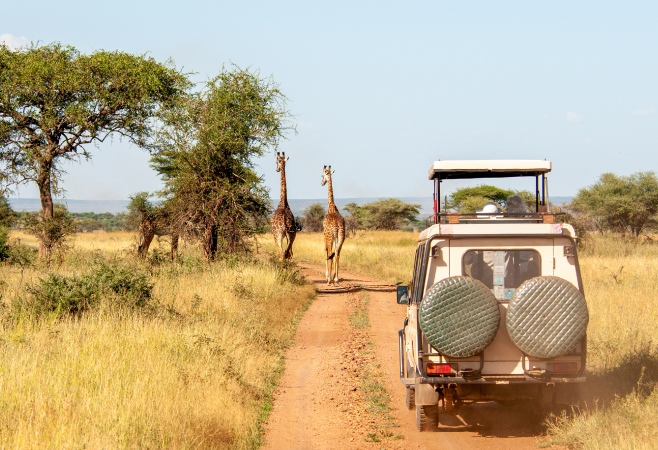
Tanzania’s diversity is an opportunity—each region offers its own unique charm and unforgettable experiences
How many days do you need?
The ideal duration of a Tanzania safari depends on the parks that you desire to see and the speed of traveling. At least five days would give you a chance to visit such important places as Serengeti National Park and Ngorongoro Crater, though the itinerary may feel quite rushed. Seven to ten days would be ideal to have a more relaxed and comprehensive experience. This will allow you to spend time visiting several parks, more game drives, and reduce travel time between destinations to different destinations. In case you want to visit more isolated parks, you can spend even more time on the safari.
Set a realistic budget
The cost of a safari in 2026 depends on the level of accommodation, season, and either individual or group tourism.
- Budget group camping safaris typically cost between $250 and $400 per person per day, while private safaris may be higher depending on group size.
- The costs of mid-range lodge safaris usually range between 400 and 700 dollars per day, whereas luxury safaris can be more than $800 to $2,000+ per person per day, depending on season and lodge category.
Most of these prices cover park fees, accommodation, meals, transportation by 4x4 vehicle, and a professional guide. During the green season (November to May), there might be lower rates than peak season (June to October).
Choose a reputable Safari operator
Choosing a reputable safari operator is among the most crucial things that one can do when organizing their Tanzania safari trip. An excellent operator manages logistics, park permits, transportation, lodging, and professional guides, all of which help ensure your safari is safe, comfortable, and unforgettable. The following are some of the well-reviewed safari operators that can be reviewed:
- Suricata safaris – A highly rated operator offering customized budget and mid-range safaris.
- Lion King adventures - Provides mid to high-end safaris/tours with customizable schedules and a high rating.
- Gosheni Safaris Africa - This is a company that has personalized safaris and good customer care.
- Serengeti Smile - Reliable in terms of the budget and middle-range safari tours, with good reviews by customers.
- Serengeti Wakanda Tours and Safaris - Provides customized mid-range and luxury safari tours.
- Meru Slopes Tours & Safaris - A good option in terms of low-cost group tours and low-cost safaris.
- Savannah Explorers - Offers tailor-made tours such as luxury and medium-end safari tours.
- Easy Travel Tanzania - A well-known safari operator based in Arusha that specializes in customized mid-range and high-end safaris, expert guides, and well-planned wildlife sightseeing in the leading national parks in Tanzania.
- African Big Cats Safaris – Specializes in mid-range and luxury wildlife tours.
- Kihondo Tours and Safaris - Dependable company offering a variety of safari tours.
What to pack
Packing properly for a Tanzania safari trip will make your journey more comfortable, safe, and enjoyable. These are some of the necessary things to carry:
- Neutral-colored clothing: Select light, breathable clothing in beige, khaki, or olive color. Dark blue and bright colors should be avoided, as this will attract insects.
- Comfortable walking shoes: Close-toed shoes that are tough are good for walking safari or going around the camps.
- Light jacket or fleece: Mornings and evenings can be surprisingly cool, particularly in the dry season.
- Sun protection: Bring sunscreen, sunglasses, and a wide-brimmed hat to protect yourself from the strong African sun.
- Insect repellent: Essential for protection against mosquitoes, particularly in the evenings.
- Camera and binoculars: A zoom lens and good binoculars help you capture and observe wildlife from a safe distance.
Top accommodations for safari in Tanzania
Accommodation diversity in Tanzania safari
- Wide range: from luxury lodges to budget-friendly camps
- Suitable for different budgets, travel styles, and preferences
Luxury safari lodges
- Serengeti luxury lodges / Four Seasons Serengeti: elegant rooms, infinity pools, prime wildlife viewing
- Ngorongoro Crater Lodge: iconic design, crater views, ideal for honeymoons
- &Beyond Klein’s Camp: intimate tented luxury, personalized service in northern Serengeti
Mid-range lodges and camps
- Serengeti Serena Safari Lodge: great views, comfort, good wildlife access
- Ngorongoro Serena Safari Lodge: stylish design with crater views
- Tarangire Sopa Lodge: spacious rooms, hilltop views in Tarangire
- Lake Manyara Serena Safari Lodge: scenic forest setting, near bird-rich lake
Tented camps and budget options
- Mbalageti Tented Camp: combines comfort with nature, riverside views
- Lemala Nanyukie Camp: peaceful setting, good wildlife access
- Amani Lodge (Arusha): affordable, convenient for safari start/end
Unique and special experiences
- Balloon Camp (Serengeti): designed for hot air balloon safaris
- Lemala Mpingo Ridge: luxury tents with panoramic wildlife views, ideal for photographers
Tips for an unforgettable Safari experience in Tanzania
Make your Tanzania safari truly unforgettable with these essential tips for safety, comfort, and the best wildlife experience.
- Wake up early for game drives: Best time to spot predators like lions and leopards before the heat.
- Be patient and stay alert: Wildlife sightings take time—stay quiet and follow nature’s rhythm.
- Follow your guide’s instructions: Ensure safety and better viewing; never leave the vehicle unless permitted.
- Dress appropriately: Wear neutral colors (beige, khaki), avoid bright tones, and layer clothing.
- Respect wildlife and nature: Keep distance, don’t feed animals, and support responsible tourism.
- Bring the right gear: Camera with zoom lens, binoculars, and extra batteries/power banks.
- Stay hydrated & protect from the sun: Carry water, sunscreen, hat, and sunglasses.
- Enjoy more than the Big Five: Appreciate birds, landscapes, and unique ecosystems for a richer safari experience
Conclusion
A Tanzania safari trip is not just a vacation - it is an adventure to one of the most unique wildlife reserves in the world. Through the unending expanses of the Serengeti, the spectacular Ngorongoro Crater, and the remote beauty of Ruaha and Nyerere, there is adventure, discovery, and memorable experiences with nature every minute. Tanzania offers it all, be it luxury, photographic opportunities, or a good experience of the wilderness.
Visitors should check the latest visa requirements with the official Tanzania Immigration Services website before travel, as regulations may change depending on nationality. Many travelers can apply online in advance or obtain a visa on arrival. It is advisable to have your visa application beforehand to avoid delays at the airport and also have a hassle-free landing experience. Starting your Tanzania safari trip with a lot of excitement and without getting stressed, when properly planned and documented.
Related Articles
- Zimbabwe to Tanzania Distance: Flight, Road & Travel Guide
- India to Tanzania Distance: Flight Time and Travel Guide
- Kenya to Tanzania Distance: Flight, Road Time & Travel Guide
- Affordable Tanzania Safari and Zanzibar Packages from UK
- Explore Holiday Packages from South Africa to Zanzibar
- South Africa to Tanzania Distance: Travel Routes and Essential Travel Guide
- Affordable Zanzibar Packages from South Africa
- Travel to Tanzania from Canada: Entry Requirements, Costs & Tips
- Sauti za Busara Zanzibar: Festival Guide & Tips

 NEED HELP 24/7
 United States
  United Kingdom
  Singapore
  Viber
Viber 


