
Is It Safe to Travel to Tanzania in 2026? Safety, Risks, and Travel Tips
 By Axel Donovan
| Update on: Apr 06, 2026
By Axel Donovan
| Update on: Apr 06, 2026
Tanzania is a land of iconic tourism spots in Africa, with its spectacular safaris, Mount Kilimanjaro, and the white-sand beaches of Zanzibar. Nevertheless, one of the most frequent questions that arises among first-time travelers is: Is it safe to visit Tanzania? The issue of safety is understandable, particularly when visiting a foreign nation with another culture, environment, and infrastructure. Though there can be no totally safe place, being informed of the actual situation on the ground will enable travelers to make well-informed choices.
This guide provides a balanced and realistic overview of travel safety, covering the most frequent issues and pragmatic advice. With proper preparation and awareness, many visitors find Tanzania to be a safe destination for tourists, which is an upright and realistic statement about their tour experience.
- General safety overview in Tanzania
- Crime and personal safety in Tanzania: What travelers should know
- Health and medical safety in Tanzania: What travelers should know
- Transportation and road safety: A practical guide for Tanzania visitors
- Political stability and local laws in Tanzania: Rules, rights, and responsibilities
- Safety for specific travelers in Tanzania: Practical guidelines
- Understanding natural risks and climate conditions in Tanzania
- Practical safety tips every visitor should know in Tanzania
- Conclusion
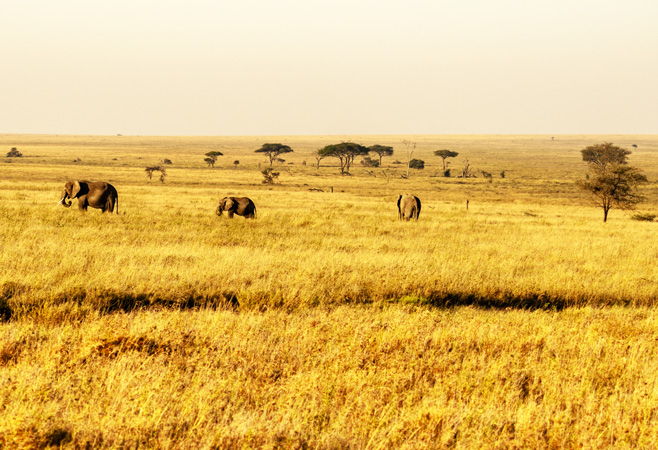
Best time to visit Tanzania is during the cool, dry season—choose your destination based on your interests
To plan your itinerary better, you can explore the top activities to do in Tanzania and understand the best time of year to travel to Tanzania based on your preferences.
General safety overview in Tanzania
International travelers visit Tanzania in high numbers every year, and overall safety is generally good when simple precautions are followed. The following are the important aspects to note regarding the general safety in the country:
- Overall safety environment: Tanzania is rated to be politically stable, and serious security incidents against tourists are not common. The majority of the visits are hustle-free, particularly in the major tourist spots like national parks, Zanzibar, and tourist spots of major cities. This contributes to the general perception among travelers that Tanzania is a safe destination when properly planned. Understanding the annual weather Tanzania will also help travelers prepare for seasonal conditions and plan a smoother journey.
- Crime and personal awareness: As in most destinations, petty crimes such as pickpocketing and bag snatching can occur, particularly in busy urban areas. Travelers are advised to remain vigilant, avoid displaying valuable items, and store belongings in hotel safes.
- Tourist areas and local support: Popular tourism destinations are used to receiving tourists, and in most cases, they have visible security, licensed guides, and transport organizations. These are some of the reasons why many believe that Tanzania is safe to travel, provided that there are well-laid-out itineraries.
- Local attitudes toward tourists: Tanzanians are mostly pleasant and hospitable. Cultivating respect towards local traditions, dressing decently, and cultural norms can hugely contribute to personal safety and comfort.
Through knowledge and common sense, visitors are able to explore and enjoy Tanzania without any worries.
Crime and personal safety in Tanzania: What travelers should know
The level of crime in Tanzania is usually low, and most of the crimes committed are petty and not violent in nature. The visitors can help to minimize the safety concerns considerably by being aware of the most frequent risks and adhering to the effective precaution measures. The following are some important aspects associated with crime and personal safety in Tanzania:
- Common types of crime: Pick pocketing, bag snatching, and petty theft are the most common crimes committed against tourists. These are normally in the busiest areas like markets, bus terminals, and centres in cities, especially in Dar es Salaam and in some areas in Zanzibar.
- Violent crime and tourists: Violent crime against tourists of a serious nature is not very common. The majority of people visiting a specific place are not exposed to physical hazards, in particular, when they visit good hotels and adhere to local recommendations.
- Safety in tourist areas: Popular tourist destinations such as national parks, safari lodges, and resort areas typically have enhanced security. Licensed guides, hotel security staff, and organized tours contribute to a safer environment for visitors.
- Personal awareness and precautions: Travelers should remain vigilant in public areas, not exhibit their valuables, and carry less. It is highly advisable to use passports and other pockets of cash in hotel safes.
- Transportation-related safety: People should exercise caution when riding the buses and at night. Official cars or taxis, which are organized by a hotel, are safer than unofficial ones.
- Nighttime safety: One should not walk alone in the dark, and more so in places they are not used to. Risk can be minimized by staying in places that have sufficient lighting and by travelling in groups.
- Scams and fraud: Other scams that affect tourists include overcharging, false guides or unofficial tour guides. These problems are avoided by booking their activities with licensed operators.
Through sharing common sense safety tips and keeping up with the news, a majority of visitors consider that Tanzania is a safe and comfortable place to travel to.
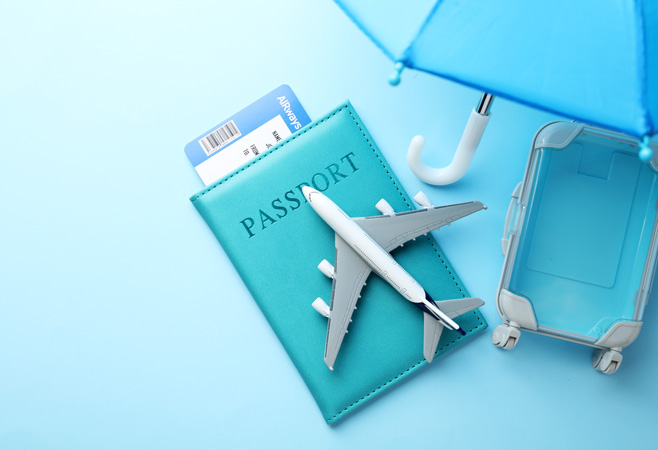
Tanzanians are very friendly people in general; however, scammers are everywhere!
Health and medical safety in Tanzania: What travelers should know
Health and medical safety are also significant considerations in the planning of a trip to Tanzania, particularly in areas where the traveler is planning to visit remote places or go on safari. Most of the health risks can be properly managed with proper preparation. The following are major guidelines that can ensure that the travelers remain healthy during their visit.
- General health conditions: In large cities like Dar es Salaam and Arusha, Tanzania, the medical facilities are relatively well developed. Nevertheless, there might be low healthcare provision in national parks and villages. It is recommended that travelers have a simple medical kit and personal prescription drugs.
- Vaccinations and preventive care: Yellow fever (some travelers are required to have it) and hepatitis A and B, typhoid, and tetanus are just a few of the most commonly recommended vaccinations. In most areas, malaria exists, and therefore, prophylactic drugs and mosquito protection are highly recommended.
- Food and water safety: The travelers can prevent foodborne diseases by consuming bottled or treated water, avoiding ice in beverages, and consuming freshly cooked and hot food. Hand hygiene or hand sanitizer can also be used to minimize health risks.
- Medical safety during safaris: Safari tours are also characterised by remote areas of operation and a lack of medical facilities. Tanzania safari safety should involve following the instructions of professional guides, particularly on wildlife experience and on outdoor activities. It is preferable to have medical evacuation travel insurance. Reviewing essential Tanzania safari travel tips and choosing appropriate what colors to wear on safari in Tanzania can greatly enhance your comfort and safety during wildlife experiences.
- Travel warnings and health advisories: Travelers should stay informed about official Tanzania travel warnings and health advisories issued by their home country. These alerts may include information about disease outbreaks, regional health risks, or safety updates. Managing your budget is also important, so checking the latest currency exchange in Tanzania can help you avoid unnecessary costs.
- Emergency medical services: The reaction time to an emergency might be less than in developed nations. It is worth knowing where to find nearby hospitals, and emergency contact numbers are also readily available.
- Travel insurance: Complete travel insurance to cover medical care and hospitalization, and evacuation is necessary to relax and have financial security.
With these precautions and planning ahead, visitors can be able to handle health risks and have a safe and satisfying stay in Tanzania.

Tanzania is considered travel-friendly and is one of the safest nations on the continent
Transportation and road safety: A practical guide for Tanzania visitors
Traveling in Tanzania is generally manageable, but understanding transport conditions and safety is essential. To plan your journeys more efficiently, it’s useful to understand how to get around in Tanzania, especially when traveling between cities or remote safari areas. Road quality varies widely, with paved highways in cities and rough or weather-affected roads in rural and park areas. Driving can be unpredictable due to speeding, limited law enforcement, and poor visibility, especially at night, so daytime travel is recommended.
Public transport is common but may lack safety standards, while registered taxis and hotel-arranged rides are more reliable. Domestic flights are the safest and most efficient option for long distances.
Driving yourself can be challenging, particularly for inexperienced visitors, due to road conditions, wildlife, and limited infrastructure. Hiring a local driver is often the safest choice.
Tanzania’s natural environments are stunning but require caution. Safaris are safe with licensed guides, and visitors should always follow instructions and keep a safe distance from wildlife. Hiking and outdoor activities need proper preparation and professional guidance, while beach conditions can vary with tides and currents.
With awareness, preparation, and responsible behavior, travelers can safely enjoy Tanzania’s wildlife and landscapes.
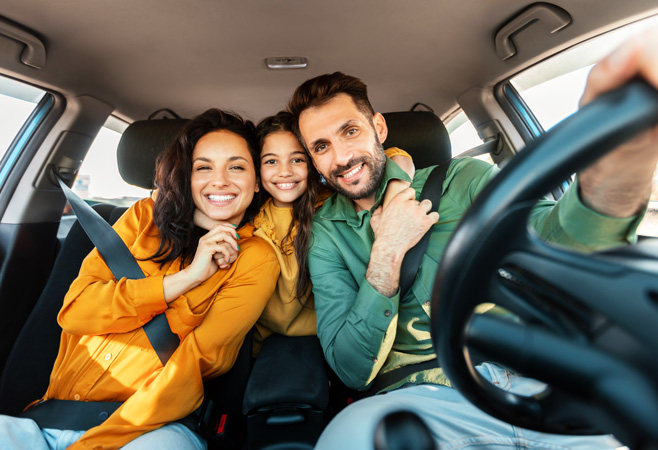
Tanzania is completely safe for every nationality to visit
Political stability and local laws in Tanzania: Rules, rights, and responsibilities
Tanzania is widely regarded as one of the more politically stable nations in the East African region, so this country is an ideal travel destination for international travelers. Nonetheless, to explore the local political environment and laws, it is crucial to ensure that a visit to the region is safe and respectful.
- Political stability: Tanzania has maintained relative political stability for many years, with generally peaceful elections and a functioning government structure. Tourist destinations are not prone to political unrest, and the majority of visitors do not experience political problems during their visit. Incidentally, tourists are not recommended to attend political meetings, protests, or demonstrations, which, at times, may happen, and they can be dispersed by the police.
- Respect for local laws: Visitors are required to follow Tanzanian laws and regulations, which may differ from those in their home countries. Ignorance of the law is not a valid defense; therefore, travelers should remain informed before and during their trip.
- Dress code and public behavior: Tanzania is a culturally conservative land, particularly in rural and mainland areas. Modest dress is expected, especially when one is going to local communities, markets, and religious places. Zanzibar has a strong Islamic influence, and appropriate clothing is especially important outside beach resorts.
- Photography and restricted areas: Government and military buildings, as well as police officers, are not allowed to be photographed and might result in interrogation or hefty fines. It is always advisable to seek consent when taking photos, particularly in rural regions.
- Legal restrictions for travelers: Strict laws concerning drugs, wildlife products, and natural resources are followed. Carrying illegal substances or even trying to export wildlife products may lead to serious consequences.
- Interaction with authorities: Police checkpoints are common throughout the country. The travelers are to stay composed, courteous, and compliant with the accompaniment of identification when needed.
Respecting local legislation and keeping abreast with the political climate, the traveler will have a safe and trouble-free experience in Tanzania.
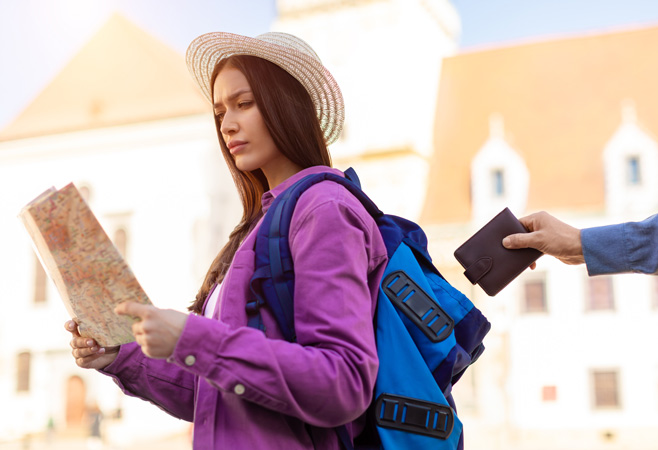
The risks commonly associated with travel to Tanzania relate to specific – and strictly non-tourist – areas of the country
Safety for specific travelers in Tanzania: Practical guidelines
Tanzania welcomes a wide range of visitors each year, including solo travelers, families, and senior tourists. Although most individuals consider Tanzania safe to visit, safety considerations can vary depending on the type of traveler. The following suggestions are tailored to specific groups to help ensure a smooth and secure experience.
- Solo travelers: Solo tourists, such as backpackers, tend to enjoy Tanzania, particularly in tourist-friendly locations. Low risks can be greatly diminished by staying in good hotels, avoiding walking alone at night, and joining organized tours.
- Female travelers: Tanzania is regarded as a rather safe destination for female travelers, although some cultural awareness should be realized. Dressing modestly, particularly outside resorts and major tourist areas, can help reduce unwanted attention. It is highly advisable to use taxis that are registered and have reputable guides.
- Families traveling with children: Families usually visit the safaris, beaches, and cultural sites in Tanzania. Lodges and resorts that are family-friendly will offer safe surroundings, yet parents must carefully watch the children when undertaking the wildlife tours and in the open areas.
- Senior travelers: Senior travelers should consider their health and mobility needs. To make a safe journey, it may be possible to select a comfortable room, plan personal transportation, and discuss the trip with medical workers before traveling.
- Adventure and safari travelers: When the traveler is in a safari, he/she is on a hiking trip, or in marine life, they should always use the licensed operators. It is necessary to follow the safety briefing and guide instructions, especially in remote places.
- Awareness of travel advisories: Tourists must remain abreast of Tanzania travel alerts by their respective countries. Such tips can bring attention to local issues, health information, or temporary bans.
By planning, educating, and valuing the traditions of the local people, tourists of all origins can appreciate Tanzania safely and with ease.
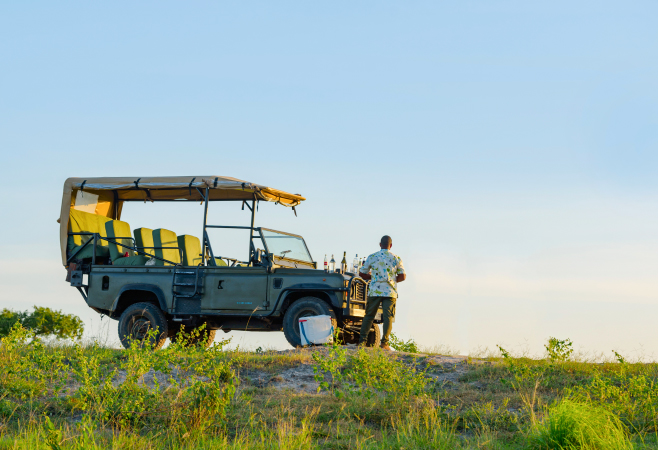
Although tourism hotspots in Tanzania are extremely safe for visitors, it's important to understand what to expect from this East African country
Understanding natural risks and climate conditions in Tanzania
Tanzania’s natural environment is a major attraction, but travelers should be aware of climate conditions and potential risks to ensure a safe trip.
The country has two rainy seasons (March–May and November–December), which can cause flooding, poor road conditions, and limited access to certain areas. High temperatures, especially in coastal regions, require proper hydration and sun protection.
Altitude sickness may affect those hiking Mount Kilimanjaro, so gradual acclimatization and professional guidance are essential. Natural landscapes also present risks, including wildlife, rough terrain, and strong ocean currents, making it important to follow safety guidelines.
Additionally, the tropical climate increases exposure to insects, so preventive measures like repellents, protective clothing, and vaccinations are recommended.
With proper planning and awareness, visitors can safely enjoy Tanzania’s diverse and stunning landscapes.
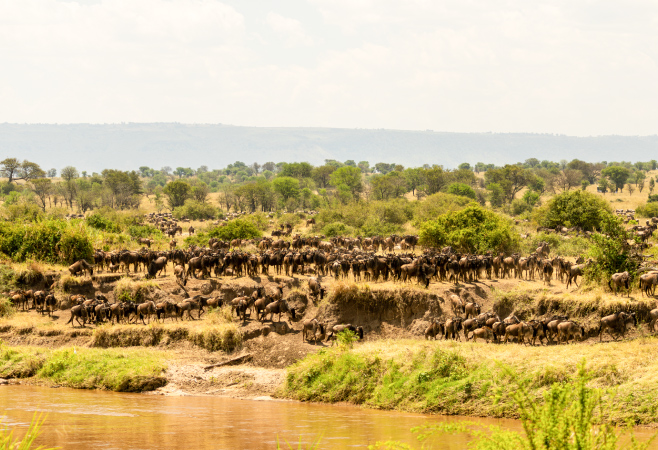
Local wildlife is of no risk when following the local wildlife laws and cautions communicated by rangers and guides
For travelers interested in cultural and historical experiences, exploring the churches in Tanzania offers a deeper understanding of the country’s rich heritage and local traditions.
Practical safety tips every visitor should know in Tanzania
Traveling in Tanzania can be a rewarding experience, and following a few simple safety tips will help you explore the country with confidence and peace of mind.
- Keep valuables secure: Carry only essentials and store passports, extra cash, and important documents in hotel safes.
- Choose reliable accommodation: Stay in reputable hotels or lodges with good reviews for better security and local support.
- Use trusted transportation: Opt for registered taxis, hotel transfers, or licensed operators. Avoid unmarked vehicles and confirm fares in advance.
- Be cautious in public areas: Stay alert in crowded places like markets and transport hubs, and keep your belongings secure.
- Avoid walking alone at night: Especially in unfamiliar areas—use a trusted taxi or travel with others if needed.
- Respect local customs and laws: Dress modestly outside beach areas and follow cultural norms to avoid misunderstandings.
- Stay informed and prepared: Check local news and weather, keep emergency contacts handy, and share your travel plans with someone you trust.
In addition to wildlife and landscapes, visitors can also enjoy shopping in Tanzania, where local markets offer unique handmade goods. Don’t miss the chance to discover what souvenirs to buy in Tanzania to bring home meaningful memories.
Conclusion
So, is it safe to visit Tanzania? For most travelers, Tanzania is a welcoming and rewarding destination, provided that basic safety precautions are followed. With well-managed safari parks and welcoming locals, as well as the upgrading of infrastructure in key tourist destinations, most of the visitors can have a pleasant time journeying without major problems.
As with any destination, travelers should stay informed, obey the local laws and traditions, and organize the transportation and activities to have a safe experience.
You should also have your travel documents prepared in advance before visiting Tanzania. Before arriving, it’s helpful to know how many airport in Tanzania so you can choose the most convenient entry point. Applicants are highly encouraged to apply for a Tanzania visa online through Tanzania Immigration Services, which is an easy and fast visa application center. With the right planning, such as obtaining your visa well in advance, travelers can enjoy Tanzania’s remarkable wildlife, landscapes, and culture with peace of mind.
Related Articles
- Zimbabwe to Tanzania Distance: Flight, Road & Travel Guide
- India to Tanzania Distance: Flight Time and Travel Guide
- Kenya to Tanzania Distance: Flight, Road Time & Travel Guide
- Affordable Tanzania Safari and Zanzibar Packages from UK
- Explore Holiday Packages from South Africa to Zanzibar
- South Africa to Tanzania Distance: Travel Routes and Essential Travel Guide
- Affordable Zanzibar Packages from South Africa
- Travel to Tanzania from Canada: Entry Requirements, Costs & Tips
- Sauti za Busara Zanzibar: Festival Guide & Tips

 NEED HELP 24/7
 United States
  United Kingdom
  Singapore
  Viber
Viber 


