
Weather in Dar es Salaam: Climate Guide & Best Time
 By Axel Donovan
| Update on: Sep 28, 2026
By Axel Donovan
| Update on: Sep 28, 2026
The largest city in Tanzania, Dar es Salaam, has a warm tropical climate and beautiful coastal scenery along the Indian Ocean. Understanding the weather in Dar es Salaam helps you plan your trip more comfortably, especially if you’re spending time outdoors or by the coast, as it is directly related to outdoor activities, beach experiences, and comfort in general.
Temperatures in the city are constantly high all year round, with changes in humidity and rainy seasons. Dar es Salaam has a special climate pattern that is characterized by dry and rainy seasons, unlike many other places that have four distinct seasons. Whether you're planning a beach holiday, a safari, or both, knowing the weather will help you prepare better.
- Climate overview of Dar es Salaam
- Seasons in Dar es Salaam: A complete guide to weather patterns
- Monthly weather patterns guide: Best and worst times to travel
- Best time to visit Dar es Salaam
- What to pack based on the weather in Dar es Salaam
- Tips for dealing with the climate in Tanzania: A complete guide
- Conclusion
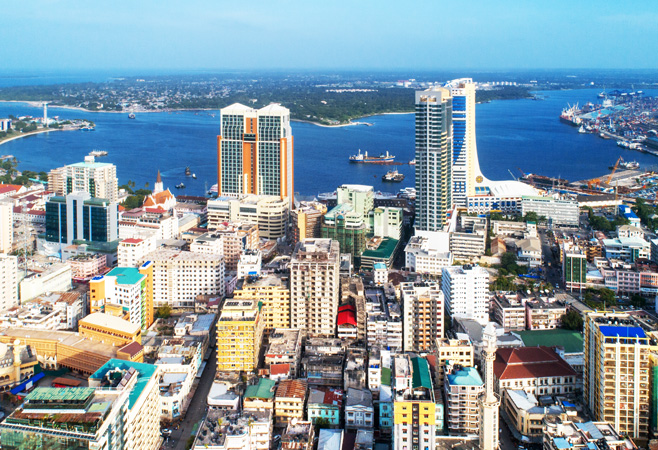
When going on holiday to Dar es Salaam, the chances are the trip aims to either go for a safari, or to the beach, or both
Climate overview of Dar es Salaam
Dar es Salaam has a tropical coastal climate with consistently warm temperatures throughout the year. The city is situated on the Indian Ocean, and temperatures are consistently warm, with an average of 25°C to 32°C (77°F to 90°F). The coastal breeze helps reduce the heat, making the weather more comfortable despite the humidity.
The humidity is typically high, particularly in the rainy seasons, but the climate is pleasant to people who love the beach and outdoor adventure. Most of the year is sunny and thus ideal for coastal activities and city tours. Dar es Salaam offers warm weather year-round, with a mix of sunshine, humidity, and seasonal rainfall.
Seasons in Dar es Salaam: A complete guide to weather patterns
Dar es Salaam does not have four seasons like temperate areas. Rather, it has a tropical climate with two rainy seasons and two dry seasons in a year.
Dry Season (June - October)
This is generally regarded as the most appropriate time to visit Dar es Salaam. Temperatures are slightly lower during these months, and humidity is more manageable. It has favorable and sunny weather that is suited to sightseeing, the beach Dar Es Salaam, and outdoor activities.
Short Rainy Season (November - December)
This season is characterized by short and scattered showers, which usually come in the late afternoon or evening. The rain is typically not heavy and does not span the entire day, and hence most of the travel plans are not significantly affected.
Hot Season (January - February)
These are the months of the year that are usually the hottest, and temperatures are consistently warm, and the humidity is felt. Although the weather may be extreme, it is still suitable for beach activities and coastal leisure.
Long Rainy Season (March - May)
It is considered to be the rainy season of the year, and it is very wet and occasionally rains heavily. Flooding and limited accessibility can influence the state of the traveling conditions and thus make it the least suitable time of the year to be a tourist.
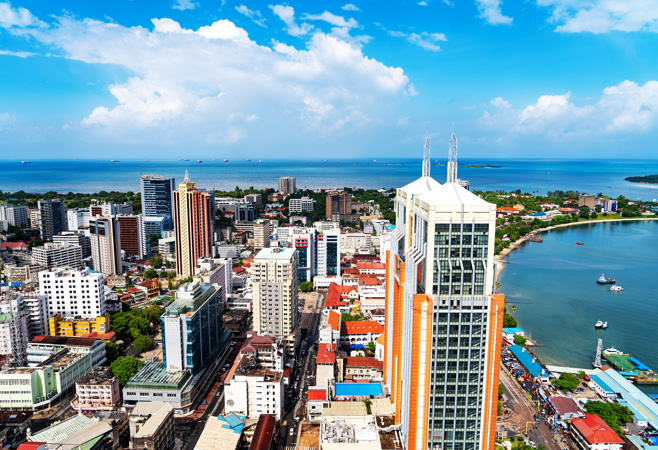
In Dar es Salaam, the wet season is hot and mostly cloudy; the dry season is warm, windy, and mostly clear
Monthly weather patterns guide: Best and worst times to travel
Dar es Salaam is a place that is characterized by a tropical climate (warm temperatures and rainy seasons). The temperatures are comparatively constant, usually between 25 -32 °C (77-90 F). January and February are typical of the hottest months, with slightly cooler weather between June and August because of coastal winds.
The rainfall has two rainy seasons that are characterized by a distinct pattern. The season is the long rains (March to May), which are heavy and regular precipitation that result in humid weather and some travel inconveniences. The short rains (November to December), on the other hand, are less intense and are more sporadic, and tend to occur in brief spells.
Regarding planning the travel, the most appropriate months would be between June and October or during dry, sunny days when the weather is comfortable and dry, making it ideal for outdoor activities. March to May can be said to be the worst months as they can be characterized by heavy rainfall, which can interfere with transport and restrict sightseeing activities.
After enjoying Dar es Salaam’s sunny beaches and tropical climate, explore the best nightclubs in Dar es Salaam to experience the city’s vibrant nightlife, live music, and entertainment scene.
Best time to visit Dar es Salaam
Planning your trip to Dar es Salaam? Timing matters—here’s a quick guide to weather, best seasons, and top activities:
- Best time to visit (June – October): Dry season with pleasant temperatures, low humidity, and minimal rain—ideal for sightseeing and outdoor activities
- Beach and outdoor season (June – February): Warm ocean, calm waters, perfect for swimming, snorkeling, and island hopping (Zanzibar, Bongoyo, Mbudya)
- Rainy season (March – May): Heavy rainfall may cause flooding and travel disruptions—less suitable for outdoor exploration
- City tours and culture: Best enjoyed in dry months with comfortable weather for markets, museums, and historical sites
- Safari connections: Ideal during dry season when wildlife gathers near water sources (Nyerere, Mikumi parks)
Visit during the dry season for the best mix of beaches, culture, and safari experiences in Dar es Salaam.
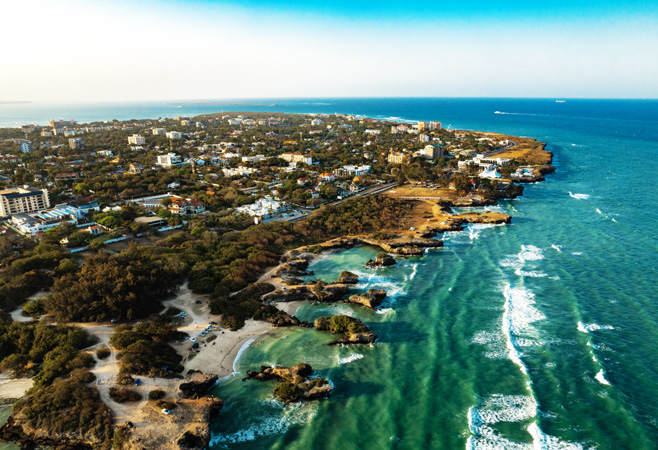
The best time to visit Dar es Salaam is during the dry season, which spans from June to October
No matter the season, visitors can relax at some of the best coffee shops in Dar es Salaam, perfect for enjoying locally sourced coffee while escaping the midday heat.
What to pack based on the weather in Dar es Salaam
Packing for Dar es Salaam? Here are essential clothing tips to stay comfortable in the city’s hot and humid climate:
- Lightweight clothing: Choose breathable fabrics like cotton or linen. Loose outfits (T-shirts, shorts, dresses) keep you cool; bring modest wear for cultural sites
- Rain gear (wet season): If traveling during rainy months, pack a light rain jacket, umbrella, waterproof shoes, and quick-dry clothing
- Sun protection: Bring high-SPF sunscreen, sunglasses, and a wide-brim hat to protect against strong tropical sun
Smart packing helps you stay cool, dry, and protected while exploring Dar es Salaam comfortably.
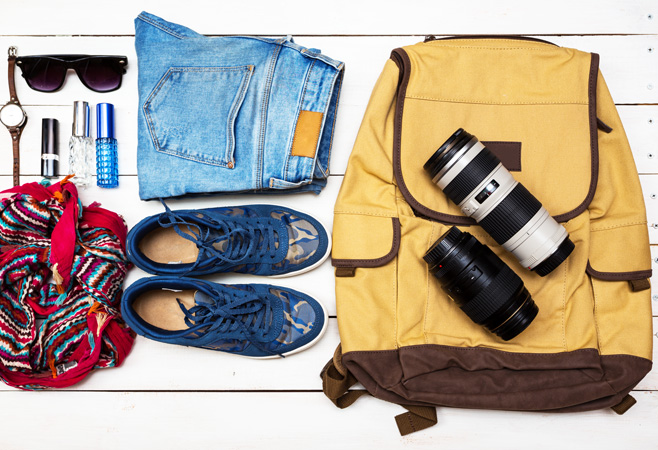
Pack smart for Dar es Salaam—be ready for safaris, beaches, mountains, and rich cultural experiences
Tips for dealing with the climate in Tanzania: A complete guide
Traveling in Tanzania’s tropical climate? Here are simple tips to stay comfortable and enjoy your trip:
- Stay hydrated: Drink water regularly to avoid dehydration, especially during safaris and outdoor activities
- Dress smart: Wear lightweight, breathable fabrics like cotton or linen; light colors help keep you cool
- Sun protection: Use high-SPF sunscreen, sunglasses, and a hat to protect against strong sunlight
- Be ready for rain: Pack a rain jacket or umbrella if traveling in the wet season
- Plan your day wisely: Do outdoor activities in early morning or late afternoon for cooler weather and better wildlife viewing
A little preparation goes a long way in helping you stay comfortable in Tanzania’s warm and tropical climate.
Conclusion
The weather in Dar es Salaam is warm and tropical all year round, with clear, dry, and rainy seasons. Although travelling to the city is possible all year round, the ideal time is from June to October. By understanding the climate and planning, tourists will be able to embrace all that this rich coastal city has to offer, and that includes its beaches, its culture, and so much more.
Before traveling, international visitors should also check visa requirements and consider applying online through the Tanzania Immigration Services website to save time on arrival. Using the eVisa system, a traveler will be able to complete the application process conveniently before traveling so that he/she can save time at the airport and ensure a smoother arrival experience. With appropriate travel organization and the correct visa preparation, you will travel to Dar es Salaam in a far smoother and more enjoyable way.
Related Articles
- Zimbabwe to Tanzania Distance: Flight, Road & Travel Guide
- India to Tanzania Distance: Flight Time and Travel Guide
- Kenya to Tanzania Distance: Flight, Road Time & Travel Guide
- Affordable Tanzania Safari and Zanzibar Packages from UK
- Explore Holiday Packages from South Africa to Zanzibar
- South Africa to Tanzania Distance: Travel Routes and Essential Travel Guide
- Affordable Zanzibar Packages from South Africa
- Travel to Tanzania from Canada: Entry Requirements, Costs & Tips
- Sauti za Busara Zanzibar: Festival Guide & Tips

 NEED HELP 24/7
 United States
  United Kingdom
  Singapore
  Viber
Viber 


