
A Complete Guide to Tanzania Border Crossings for Travelers : Entry Points, Procedures, and Travel Tips
 By Axel Donovan
| Update on: Dec 30, 2025
By Axel Donovan
| Update on: Dec 30, 2025
Tanzania is one of the most significant travel destinations in East Africa, attracting visitors with its world-class safaris, Mount Kilimanjaro, stunning beaches, and rich cultural heritage. For most travelers, particularly those traveling overland in the region, understanding Tanzania’s border crossings is an important part of trip planning. Travelers are expected to know the entry procedures, visa procedures, and border regulations, whether they get to the country by land via the neighboring countries or by air via an international airport, by lake, or by sea.
Tanzania borders eight countries and is therefore an important transit hub for regional travel and tours in East Africa. The experience of crossing the borders may vary depending on the location, season of travel, and preparation. This guide will offer key details regarding the Tanzania border crossings, the biggest entry points, visa alternatives, border formalities, and useful guidelines that will assist travelers in entering the nation without any hassles.
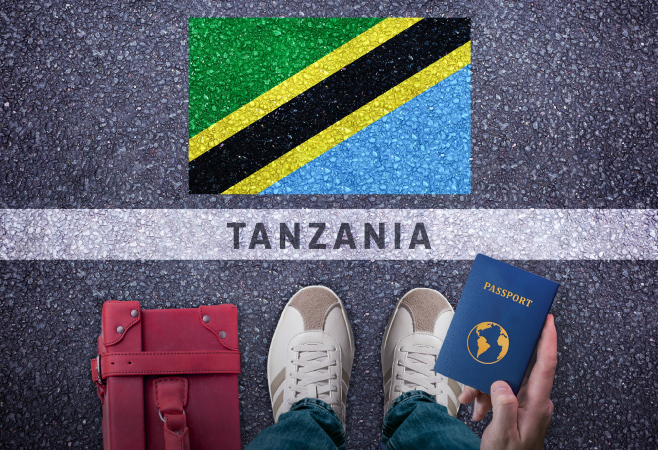
There are several ways for travelers to cross into Tanzania when entering the country for a holiday
Understanding the Different Types of Border Crossings in Tanzania
Tanzania is a strategic country in East Africa with eight neighbors, which has made it an important entry point to the region in terms of traveling, trading, and tourism. Therefore, the nation provides various forms of border crossings, which enable visitors to move into the country either through land, air, or water. Understanding these entry points helps travelers plan more efficiently and avoid unnecessary delays.
1. Land border crossings
Land border crossings are the most common entry points for overland travelers between Tanzania and its neighboring countries, including Kenya, Uganda, Rwanda, Zambia, Malawi, and Mozambique. Popular land borders, such as Namanga and Holili (Kenya), Rusumo (Rwanda), Tunduma (Zambia), and Songwe (Malawi), are present. Tourists on regional safaris, cross-border traders, and backpackers use these crossings extensively. Depending on the location and the time of the year, the facilities and processing times might differ.
2. Air border entry points (international airports)
The Tanzanian international airports are considered air border crossing points and the main points of entry for long-haul and international passengers. Large airports like Julius Nyerere International Airport (Dar es Salaam), Kilimanjaro International Airport, and Abeid Amanikar Karume International Airport (Zanzibar) have full customs and immigration services. In general, international airports tend to offer more streamlined visa and immigration processing compared to many land border crossings, although experiences may vary.
3. Lake and maritime border crossings
Less frequent and yet noteworthy in some areas are water and lake border crossings. Travelers may also enter Tanzania via Lake Victoria, Lake Tanganyika, or Indian Ocean coastal ports, particularly from countries such as Uganda, Burundi, and the Democratic Republic of Congo. Such crossings are normally accompanied by extra customs and health inspections.
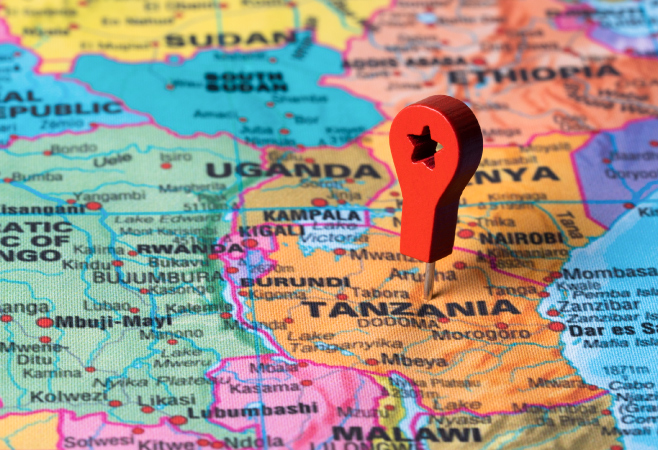
Tanzania has got several land & water entry border points each one with its own challenge & requirements
Major Land Border Crossings in Tanzania You Should Know
Tanzania borders a number of countries, and the overland transportation constitutes a significant portion of the regional movement in East Africa. Such land border crossings are popular crossings of tourists, traders, and overland travelers, which transport people between Tanzania border countries. Knowledge about the key crossings and what to anticipate at specific crossings may assist travelers in organizing better and more streamlined travels.
Tanzania–Kenya Border Crossings
The Tanzania-Kenya border is considered to be one of the busiest and most frequently used border regions in East Africa for tourists and regional travelers.
- The most common crossing point is named Namanga and is commonly used by visitors making their way between Nairobi, Arusha, and the northern safari circuit of Tanzania. It has well-balanced immigration and customs infrastructures, which make it a choice for overland travel.
- The town of Holili, which is close to Taveta, is more of an attraction to people who travel to Moshi town and Mount Kilimanjaro, particularly the tourists who come there to do trekking and mountain climbing.
- Sirari lies close to Lake Victoria and primarily gets tourists who travel between western Kenya and northern Tanzania, and is not usually too busy compared to Namanga. Although all these border crossings are usually well organized, travelers ought to anticipate a longer processing time during peak travel seasons of travel and during public holidays.
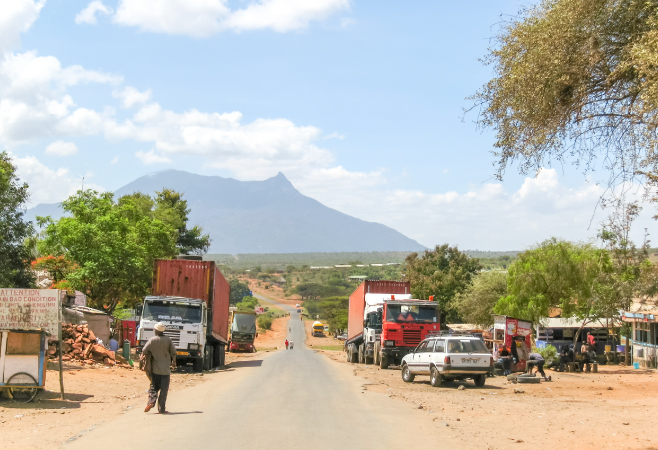
The main route for entering Tanzania from Kenya is the road connecting Nairobi to Arusha via the Namanga border post
Tanzania–Uganda Border Crossings
Land border crossings between Tanzania and Uganda are less commonly used by international tourists compared to routes via Kenya, but they still play an important role in regional travel, trade, and overland transport. The direct land routes are few, and most travelers traveling between the two countries normally use Kenya as their transit point. Connections across Lake Victoria are, however, alternative routes, mostly used by local travelers and regional transport services between ports in both Tanzania and Uganda.
At these points of entry, immigration processes tend to be less crowded at these entry points than busier entry points, and this would lead to a reduction in the waiting periods. With that said, some crossings might have less elaborate facilities, with few services and infrastructure. These routes advise travelers to travel with all the necessary documents, ensure that they have confirmed their visa eligibility beforehand, and to put transport arrangements into consideration when traveling these routes.
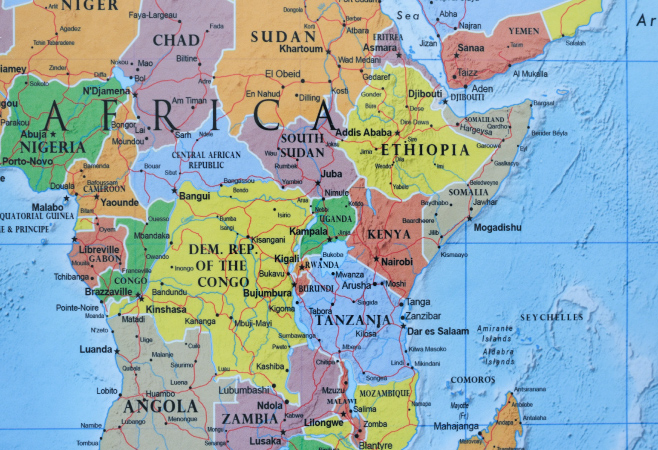
The primary land border crossing between Uganda and Tanzania is Mutukula, located northwest of Bukoba.
Tanzania–Rwanda Border Crossings
The main and most secure land crossing point between the countries of Tanzania and Rwanda is the Rusumo Border, which acts as a major entry point to travelers who create the linkage between western Tanzania and Kigali. It is a popular route among tourists and commercial traffic, buses, individual vehicles, and freight transportation. Rusumo is fairly developed in comparison with smaller border points, and there are existing immigration and customs buildings on both sides.
Border processing is generally standardized and well organized, but the time taken to do this may differ during peak travel seasons. Rusumo is a favored transit route because of its significance as a regional transit route and the choice of overland travelers wishing to venture into East Africa. It is recommended that people carry along all travel documents in order to cross borders efficiently and easily.
Tanzania–Burundi Border Crossings
The regional travelers, traders, and cross-border transport services are the main users of border crossings between Tanzania and Burundi as opposed to international tourists. These crossings are significant in the movement of the region, especially in trade and local transport between the two nations. Tanzania-Burundi border points are not as busy and congested as the border points between Tanzania and Kenya or Zambia.
Nonetheless, one has to be ready to get simpler facilities and fewer services on-site. Immigration and customs processes may take longer because of a reduced number of staff and the capacity to process. When using such border crossings, one should always have all the necessary travel documents, make sure that they are visa-eligible, and plan their transportation.
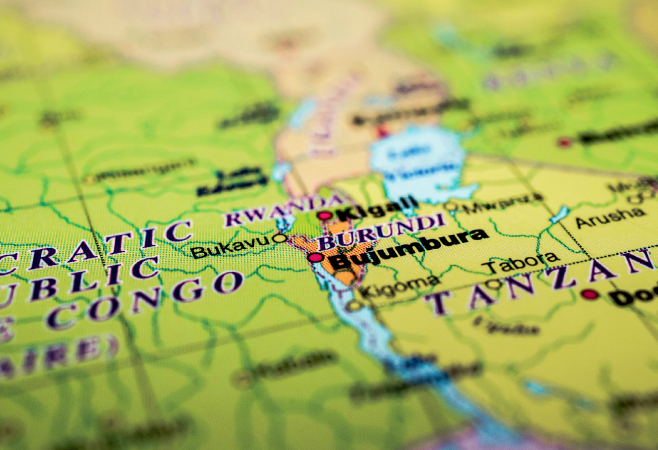
The border is sinuous, with large sections following rivers
Tanzania – Zambia Border Crossings
Crossing of the borders between Tanzania and Zambia is considered one of the busiest borders in the southern part of Tanzania and is crucial in traveling and trading within the regions of the Tanzania border. The crossing of the Tunduma border is the most important crossing as it is the main transit site by long-distance buses, freight, and tourists between East and Southern Africa.
It is also a very busy border that may cause delays, particularly on commercial vehicles. Tourists should expect thorough immigration and customs inspections and carry along all the papers. Although facilities are usually well developed, high travel times can cause longer waiting periods.
Tanzania–Malawi Border Crossings
The main land entry to Tanzania and Malawi is the Songwe Border, which is used by tourists and local travelers. It is particularly common with tourists who are looking around Lake Malawi, southern Tanzania, and the adjacent national parks. In comparison to less important points of the border, Songwe provides rather formal immigration and customs services, which provide the first-time traveler with an easier crossing.
Waiting times may, however, fluctuate with the level of traffic, time of the day, and season of travel. Travelers have to endure delays, especially during peak periods when there are big buses or commercial vehicles. Tourists are also encouraged to bring all necessary traveling documents, pre-check the need for visas, and provide additional time when going to the Songwe Border.
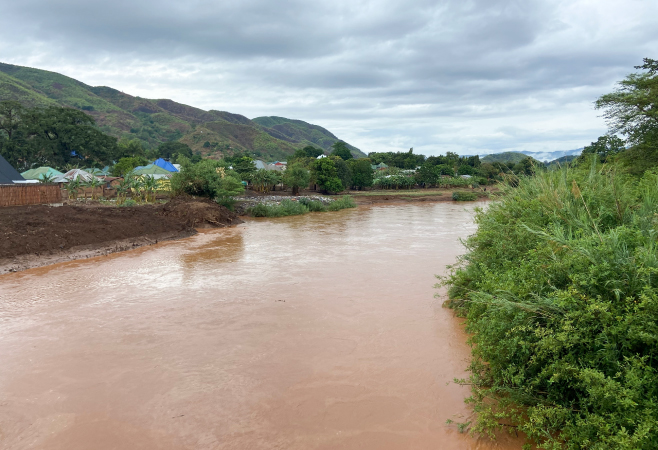
The most common ways to travel between Malawi and Tanzania are by land through the Songwe–Kasumulu border post or by boat across Lake Malawi, depending on route availability and travel conditions.
Tanzania–Mozambique Border Crossings
Land border crossings between Tanzania and Mozambique are the least utilised by tourists yet significant to the trade in the region. Such boundaries are usually more remote and calm, and a traveler has to be well-equipped with documents.
Entry Requirements at Tanzania Border Crossings
Any traveler entering Tanzania by land, air, or sea must comply with the entry requirements set by the Tanzania Immigration Department. These requirements should be prepared in advance to ensure a smooth, efficient, and stress-free border-crossing experience.
The Tanzania eVisa simplifies the visa application process for travelers, allowing them to obtain entry authorization online before arrival
Passport Validity Requirements
Tanzania requires all visitors to hold a valid passport with at least six months’ validity from the intended date of entry. The travelers should also possess one or two blank pages to be used in making the entry stamps and visa endorsements. Damaged, incomplete, or expired passports may result in denial of entry at the border.
Visa Requirements by Nationality
A majority of foreign nationals need a visa to visit Tanzania. Visa requirements vary depending on the traveler’s nationality, purpose of travel, and length of stay. The travelers who are eligible can apply and receive a Tanzania eVisa, Visa on Arrival (VOA) on entry points, or get a visa before traveling at the Tanzanian embassy or consulate. There are some nationalities that do not require a visa when staying for a short time. Visitors are strongly encouraged to check their visa eligibility before traveling, in cases where they use the land borders to access Tanzania.
Tanzania eVisa and Visa on Arrival
The Tanzania eVisa allows eligible travelers to apply online before arrival and is consistently accepted at major international airports. Acceptance at land border crossings is more limited and may depend on the specific border post. Visa on Arrival is available to eligible nationalities at major international airports and selected land border crossings, but availability may vary by location. Travelers entering Tanzania by land are strongly advised to confirm in advance whether their chosen border post offers Visa on Arrival services. Not all land border crossings offer Visa on Arrival services, particularly smaller or more remote entry points Travelers entering Tanzania by land should ensure that their chosen border crossing accepts their visa type or provides visa approval on arrival
Immigration Forms and Biometric Procedures
On arrival, tourists may be required to fill out immigration arrival forms. Immigration officers may also collect biometric data, such as fingerprints and photographs, as part of standard entry procedures. Immigration officers need to be given correct information by the travelers, and they are expected to make an effort to submit supporting documents.
Customs Regulations and Prohibited Items
Tanzania has stringent customs rules that govern commodities imported into the nation. Prohibited or restricted items include agricultural products, firearms, illegal drugs, and undeclared large sums of money. When a traveler has goods that are higher than the duty-free limits, then he or she should declare the goods to avoid penalties, losses of time, and even confiscations.
Health Requirements and Yellow Fever Certificate
Travelers arriving from, or transiting for extended periods through, countries with a risk of yellow fever transmission may be required to present a valid Yellow Fever vaccination certificate upon entry. This is one of the requirements that has been imposed at the border crossings of Tanzania, especially on travelers who are coming to the country through its neighbors in the region.
Understanding Border Crossing Procedures When Entering Tanzania
Entering Tanzania is generally straightforward, yet the border crossing process can be made more efficient by knowing about it beforehand and preventing the traveler from facing delays and other unforeseen issues. Regardless of how one comes to Tanzania, by air, land, or sea, they have to adhere to the immigration, customs, and health rules of Tanzania.
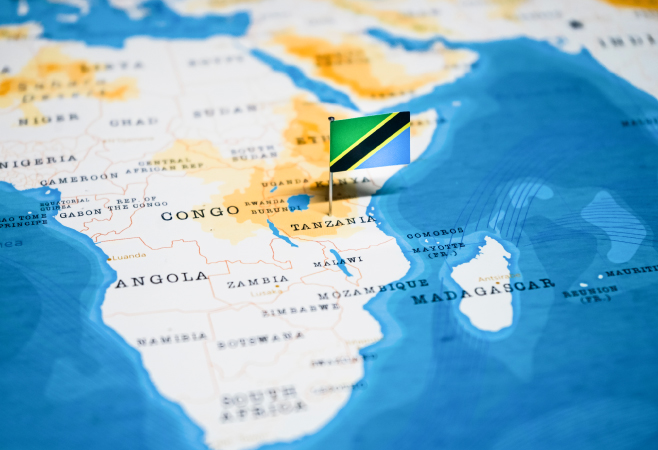
Tanzania allows eVisa holders to enter through select border crossings, ensuring a smooth immigration process
Visa and Entry Requirements
The majority of foreign nationals need a visa to enter Tanzania. Tanzania has introduced an eVisa that eligible travelers can apply for online before traveling or receive a Visa on Arrival (VOA) at the specified airports and some crossings of the land borders. Availability of a visa is based on the nationality and point of entry, and as such, travelers need to ensure that they check the most up-to-date requirements before traveling. One usually needs a valid passport, with at least six months’ validity from the date of entry as of the entry date and which must have a minimum of two blank pages. Other nationalities are visa-exempt, whereas others may need prior approval.
Arrival and Immigration Control
On arrival, they can be asked to fill out an arrival card and submit their passport and a valid visa or eVisa approval. Immigration officers may ask about the purpose of travel, accommodation details, and intended length of stay. Depending on the profile of the traveler, supporting documents, including evidence of accommodation or onward travel, can be requested. The immigration officers will put an entry stamp to show how much time one can stay in the country, and this will depend on the visa type.
Customs Regulations
Upon immigration clearance, the travelers are taken to the customs inspection. Tanzania has control measures on confined and forbidden goods, such as guns, drugs, some agricultural goods, and large sums of money that are not declared. Products like drones are the ones that might need special permits before entry. Travelers carrying goods exceeding duty-free limits must declare them to customs authorities. It is also advisable to keep receipts for personal items that have high value.
Health and Safety Checks
Travelers arriving from or transiting through countries that have an increased risk of transmitting Yellow Fever might be asked to provide a legitimate Yellow Fever vaccination certificate. More health screening protocols can be enacted by the time of the public health alerts, and travelers must be updated on the latest entry health requirements.
Land Border Crossings
The processing time may be longer for travelers coming to Tanzania by land through neighboring countries than it is at airports. Officials on the border can perform in-depth document inspections and vehicle inspections. Enough preparation, patience, and adherence to official guidelines are mandatory.
Final Tips for a Smooth Entry
To facilitate a hassle-free entry into and exit from the country, passengers are advised to prepare all the necessary documents before traveling, ensure to carry printouts where necessary, and follow all guidelines given by the immigration and customs. Having the right information and knowledge will ensure that the travelers will start their stay in Tanzania with confidence and peace of mind.
Tips for Smooth Border Crossings in Tanzania
The border crossing process in Tanzania is not that challenging as a rule, yet the preparation may significantly enhance your experience and contribute to the avoidance of delays and unforeseen complications. Regardless of the mode of entry into the country, air, land, or sea, any traveler who knows border procedures and the entry requirements well beforehand is much more likely to have a hassle-free entry.
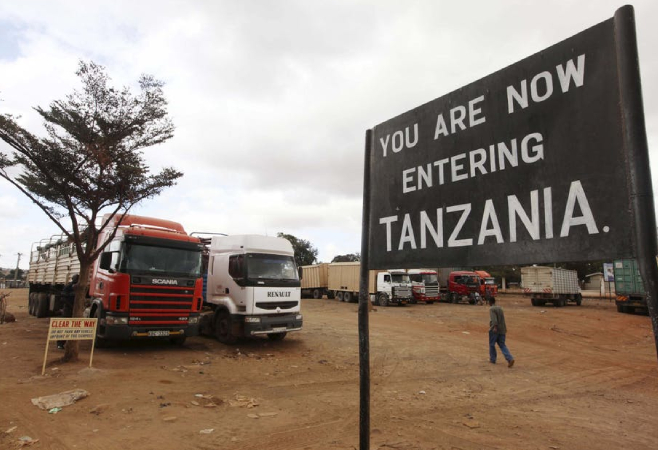
While the journey is generally straightforward, knowing what to expect at the border can help you avoid delays and unnecessary stress
Prepare Your Travel Documents in Advance
Ensure that your passport has at least six months’ validity before the scheduled date of entry and has enough blank pages for immigration stamps. Complete the visa requirements according to your nationality and apply for a Tanzania eVisa in advance whenever possible. It is advisable to be in possession of both a printed and an electronic copy of your visa approval, accommodation information, and onward or return travel information because they can be demanded by the immigration officials.
Choose the Right Entry Point
Facilities and services vary between border crossings. Large international airports and major land border crossings are normally efficient and well-equipped. When crossing into Tanzania via land, ensure that you pre-check whether the border point you choose accepts eVisas or offers Visa on Arrival services, because some points may not offer them.
Arrive at the Right Time
Weekends and public holidays, as well as peak travel seasons, usually experience heavier border traffic. Arriving early in the day usually leads to a decrease in the queues and quick processing, especially at land borders where the staff might be insufficient.
Communicate Clearly with Immigration Officers
Be polite, calm, and straightforward when responding to questions posed to you by immigration officials. Make sure you have documents that explain the purpose of your visit, the duration of your stay, and where you are going to stay. When asked to provide documents and accurate information, it would contribute to the faster process of entry.
Understand Customs and Health Regulations
Get to know the customs rules of Tanzania concerning restricted or banned goods. Goods exceeding duty-free allowances must be declared to customs authorities and not carry items that need special permits, including drones, without prior permission. Travelers arriving from or transiting through yellow fever–risk countries can be expected to bring with them a valid Yellow Fever vaccination certificate.
Carry Cash and Remain Patient
In certain land borders, there might be restrictions on electronic payment facilities. Bring a small amount of cash in a recognized currency and allow extra time for processing. There may be delays, particularly at distant crossings, and it is important to be patient and flexible.
With proper preparation and these handy tips, travelers will enjoy a smooth and worry-free entry into Tanzania, and then move on with their adventure, and not waste time on border control.
Conclusion
The border crossings in Tanzania are a critical component of a successful trip to this country. Regardless of the mode of entry, land, air, or sea, prior knowledge of entry regulations, visa, and border rules can save travelers considerable time and unnecessary complications. A thorough preparation, such as obtaining the right visa, having valid travel papers, and getting familiar with the customs and health requirements, is guaranteed to make the entry process easy and more confident.
Since the border conditions and requirements can be region-specific and may change over time, it is always recommended that travelers confirm the current official guidelines before traveling. Having the necessary knowledge and preparation, entering Tanzania can be a smooth and straightforward process, and visitors can spend their time in the country and concentrate on the natural beauty, wildlife, and cultural experiences.
Related Articles
- Zimbabwe to Tanzania Distance: Flight, Road & Travel Guide
- India to Tanzania Distance: Flight Time and Travel Guide
- Kenya to Tanzania Distance: Flight, Road Time & Travel Guide
- Affordable Tanzania Safari and Zanzibar Packages from UK
- Explore Holiday Packages from South Africa to Zanzibar
- South Africa to Tanzania Distance: Travel Routes and Essential Travel Guide
- Affordable Zanzibar Packages from South Africa
- Travel to Tanzania from Canada: Entry Requirements, Costs & Tips
- Sauti za Busara Zanzibar: Festival Guide & Tips
- Weather in Dar es Salaam: Climate Guide & Best Time

 NEED HELP 24/7
 United States
  United Kingdom
  Singapore
  Viber
Viber 


